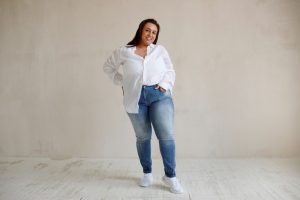
Art and figure modeling involves posing for artists, photographers, and students who study the human form. Models serve as important references for accurate anatomy, expression, and posture. This career demands both physical stamina and an understanding of artistic needs.
Challenges
Models must hold poses for extended periods, often 20 to 30 minutes or longer, without movement. Physical endurance and the ability to maintain composure are essential. Some poses can strain muscles or joints.
Comfort with nudity or partial nudity is required in many roles. Navigating personal boundaries and potential vulnerability demands confidence and professionalism. Exposure to new environments and different types of artists may cause initial discomfort.
Demand for figure models is specialized and cyclical. Work may come in waves depending on art school schedules or project availability. Finding steady, long-term work requires active networking.
Models must interpret artistic directions precisely. Adapting poses quickly and expressing the right emotion or tension enriches the artwork. Communication with artists helps ensure expectations are met.
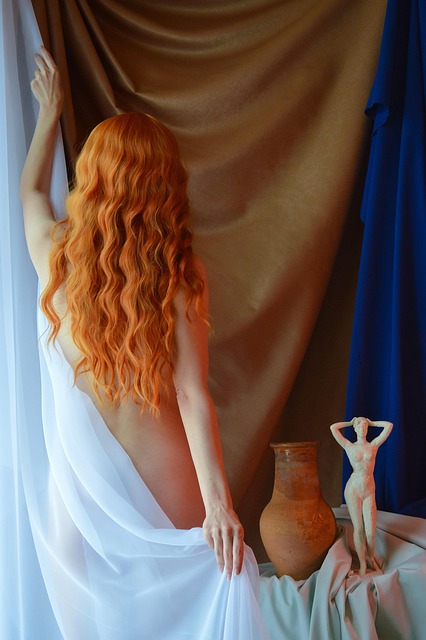
Limited agencies represent art and figure models exclusively. Self-promotion and portfolio maintenance become important to secure gigs. Some models combine figure modeling with other types to diversify income.
Physical care is paramount. Regular stretching, hydration, and joint care prevent injury. Age and health conditions can impact stamina, requiring adaptations or shorter sessions.
Society’s varied attitudes toward nude art can affect perception of figure modeling careers. Models may encounter social stigma, requiring strong self-confidence and clarity about their professional role.
Tips for Long-Term Success
Develop excellent physical stamina through yoga, pilates, or light strength training. This improves control over poses and reduces fatigue.
Create a portfolio with diverse poses, lighting styles, and types of art projects. Include tasteful and professional photo references to attract a variety of artists.
Learn art fundamentals such as anatomy or gestures to anticipate artistic needs. Understanding the creative process increases collaboration effectiveness.
Build relationships with local art schools, studios, and galleries. Attend live drawing sessions and offer your services to cultivate repeat work.
Practice maintaining calm and focus for long periods. Meditation or breathing techniques can improve endurance and reduce tension during shoots.
Maintain open communication with artists and instructors. Clarify expectations, discuss poses, and seek feedback to continually refine skills.
Join online communities or forums for figure models to share experiences, tips, and job leads. Mutual support strengthens confidence and opportunities.
Respect personal boundaries clearly. Select jobs that align with your comfort level and values. This fosters professionalism and reduces stress.
Stay organized with schedules and contracts. Timely responses and professional conduct build a reputation worthy of referrals.
Keep self-care routines consistent. Massage, hydration, rest, and gentle exercise sustain physical and mental well-being.
Conclusion
Art and figure modeling is a unique career that combines physical discipline with creative collaboration. It plays a vital role in the arts by providing realistic human references. While holding poses and comfort with nudity present challenges, models with stamina, professionalism, and effective communication thrive.
Building a reliable network, a diverse portfolio, and ongoing physical care ensures opportunities and career longevity. Confidence in one’s role as an artistic muse helps overcome societal preconceptions.
Models passionate about embodying the beauty of the human form discover that art and figure modeling offers not just work, but a fulfilling interaction between body and creativity.