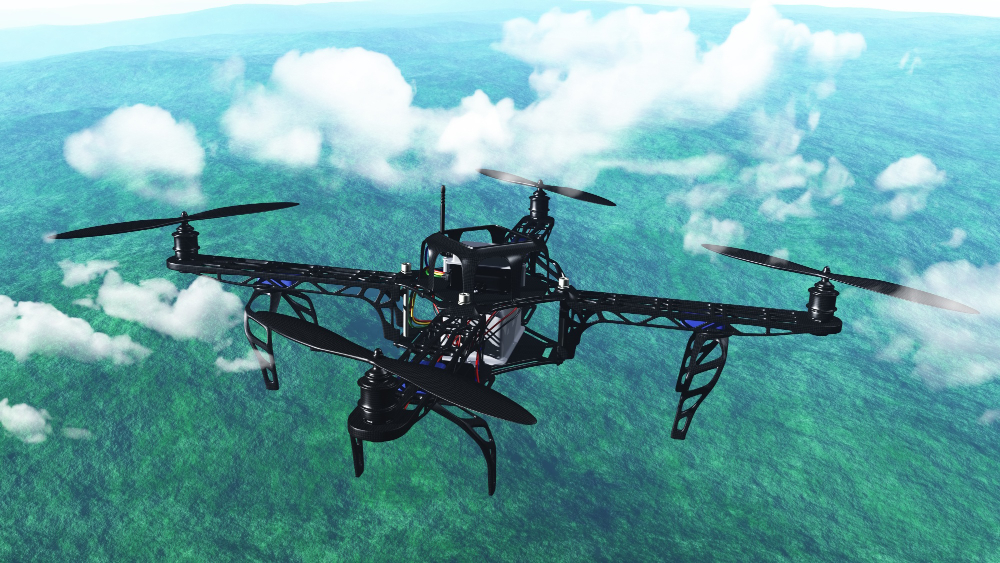
Aerial photography requires precision equipment capable of capturing stunning images from above. The drone market offers diverse mo
dels designed for various skill levels and budgets. Choosing the right drone enhances creativity and image quality.
Key Features to Consider
Camera quality is paramount. High resolution, large sensors, and adjustable apertures capture detail and dynamic range. Stabilized gimbals ensure steady footage and sharp stills.
Flight time affects shooting duration. Models with longer battery life reduce interruptions and allow exploration of angles.
Portability matters. Lightweight and foldable drones fit easily into travel gear. Compact drones balance convenience with power.
Obstacle avoidance systems prevent crashes and enable safer flights in complex environments.
Control range influences freedom to explore wider areas. Modern drones offer seamless transmission for video and telemetry.
User-friendly interfaces and intelligent flight modes simplify operation for beginners and enhance creative shots for professionals.
Top Drones for 2025
DJI Air 3 excels with dual cameras, long flight time, and advanced obstacle sensing. Ideal for enthusiasts and pros who demand image quality and safety.
Autel Robotics EVO Nano+ offers compact size, high resolution, and AI features for lightweight use and easy controls.
DJI Mavic 3 Classic targets professionals seeking outstanding image quality, extended flight time, and robust build.
Skydio 2+ leads in autonomous flying with superb obstacle avoidance. Best for capturing complex environments or dynamic action shots.
Parrot Anafi USA combines 32x zoom with thermal imaging, suitable for security and specialized aerial photography.
Choosing a Drone
Match drone specs to project needs. Travel photographers favor portability and ease. Cinematographers need cinematic capabilities and manual controls.
Budget influences choice. Entry-level drones like DJI Mini series deliver strong value. Higher-end models require investments but expand creative possibilities.
Training ensures safe, compliant flying. Understanding local regulations, no-fly zones, and privacy laws is essential.
Maintenance preserves performance. Regular firmware updates, battery care, and cleaning extend drone longevity.
Conclusion
The best drones for aerial photography combine camera quality, flight stability, and intelligent features. Informed choices based on shooting style, portability needs, and budget enable stunning aerial visuals.
Experimentation and mastery of drone handling unlock new perspectives impossible from the ground.