Add Drama, Depth, and Dimension with Smart Background Lighting
When we talk about indoor photography lighting, most people focus on how to light the subject—but what about the background?
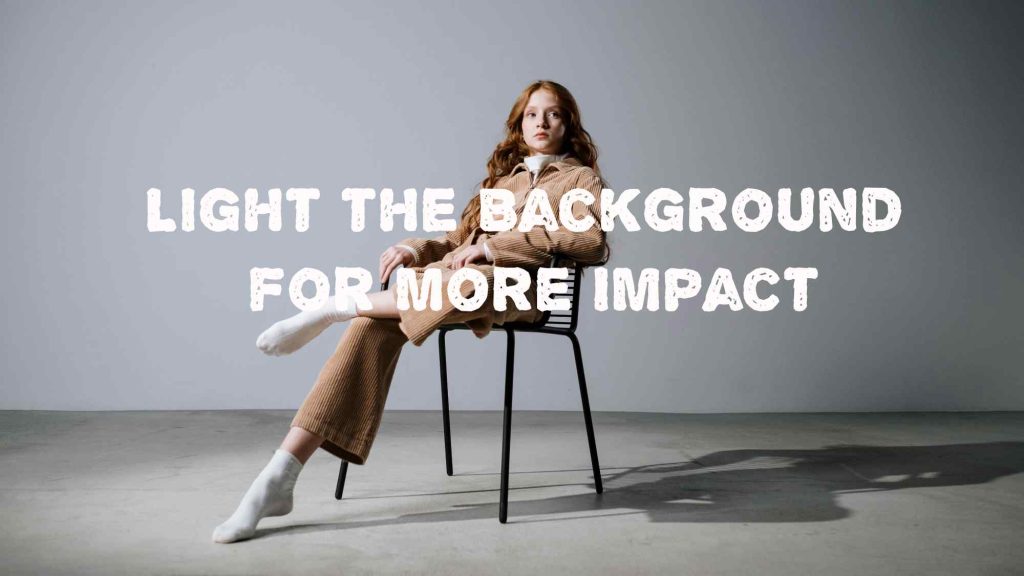
A well-lit background can elevate your photos, turning a simple portrait into a visual story. Whether you’re working with a plain wall, colored paper, or textured fabric, adding intentional light to your background can make a massive difference.
In this post, you’ll learn how to light your background for maximum visual impact, even in a basic home setup.
🎯 Why Light the Background at All?
Many beginners try to make their photos “pop” by adding more light to the subject. But sometimes, it’s not the subject that needs more light—it’s the background.
Smart background lighting can:
- Create separation between subject and background
- Add mood (drama, elegance, warmth, etc.)
- Highlight textures or colors
- Introduce gradients, spotlights, or vignettes
- Eliminate dull, flat-looking images
🛠️ What You Need to Light Your Background Indoors
You don’t need expensive studio gear to get started. Here’s a basic setup:
🔹 Essentials:
- 1 main/key light (for the subject)
- 1 background light (any small LED, flash, or continuous light)
- Light modifiers: grid, snoot, softbox, bare bulb (depends on effect)
- Colored gels (optional for creative looks)
- Plain wall, seamless paper, curtain, or backdrop material
- A dark room or controlled ambient lighting
💡 How to Light the Background: Techniques and Setups
Let’s explore several ways to use background lighting to your advantage:
🔸 1. Gradient Background Lighting
Effect: Adds depth and directs the viewer’s focus to the subject.
How to do it:
- Place a small light (bare bulb or with diffuser) directly behind your subject, aimed at the backdrop.
- Move it closer or farther for a tighter or wider gradient.
- Use a grid to control light spread.
- Keep your subject at least 3–5 feet in front of the background.
📌 This works great with seamless paper or neutral-toned fabric.
🔸 2. Spotlight or Halo Effect
Effect: Dramatic, cinematic look—draws the eye to the center.
How to do it:
- Use a snoot or tightly gridded light to project a circular spotlight on the background.
- Aim it just above or behind the subject’s head.
- Adjust brightness to avoid overpowering the subject light.
🎯 Bonus tip: Add haze (with a haze spray or incense) for extra glow in moody portraits.
🔸 3. Color Gels on the Background Light
Effect: Adds emotion, contrast, or mood to the photo (especially in fashion, music, or product shoots).
How to do it:
- Attach colored gels to your background light (red, blue, orange, teal, etc.)
- Use two lights with contrasting gels for split color or color gradient effects.
- Dial your key light’s white balance to match or contrast creatively.
🔥 Try red + blue for edgy vibes, orange + teal for a cinematic feel.
🔸 4. Even, Flat Lighting for Clean Headshots
Effect: Smooth, professional background—perfect for corporate or profile photos.
How to do it:
- Use a softbox or bounce light directly onto a white or gray background.
- Place it just behind or slightly to the side of your subject.
- Use flags to block spill onto the subject.
✅ Use this setup when you need passport photos, resumes, or LinkedIn-style images.
🔸 5. Texture Highlighting
Effect: Brings out the texture of brick walls, fabric, wood panels, etc.
How to do it:
- Light the background from the side (rim or edge lighting) to cast shadows and emphasize texture.
- Use hard light or bare bulb for more defined shadows.
📷 This works beautifully with textured walls or crumpled cloth backdrops.
🔸 6. Backlighting for Silhouettes or Glow
Effect: Subject glow, halo effect, or silhouette against a bright backdrop.
How to do it:
- Place a strong light behind your subject, aimed at the background (or into the lens).
- Overexpose the background slightly.
- Keep subject lighting minimal for silhouette or edge glow.
✨ Combine this with gels or diffusion for an angelic, dreamy look.
🧪 Quick Experiment: From Flat to Impact
- Shoot your subject in front of a plain white wall using only one front light.
- Now add a small LED behind them aimed at the wall.
- Take the same shot again.
Compare the two images. The second one likely has more depth, shape, and visual punch.
🔍 It’s a simple trick that can instantly take your indoor portraits from flat to fantastic.
🚫 Common Mistakes to Avoid
- Overlighting the background: If it’s too bright, it steals attention from the subject.
- Uneven shadows: Watch for hotspots unless intentionally dramatic.
- Color cast on the subject: Be careful when using gels—keep them separated from subject light.
- Light spill: Use flags and grids to keep things clean (see our blog on light spill control!).
🧠 Final Thoughts: Your Background Deserves the Spotlight Too
In indoor portrait photography, we often obsess over skin tones, facial light, and exposure—but the background is half your frame. Don’t let it go dull.
Whether you want subtle gradients, color pops, or dramatic texture, adding intentional background lighting lets you:
- Control the mood
- Create depth
- Tell a stronger visual story
📸 Start with one background light, experiment, and see the difference it makes.