Turn Ordinary Shots into Cinematic Masterpieces
When we think of breathtaking scenes in movies, we often remember how they made us feel—tense, warm, mysterious, romantic. But the secret weapon behind these emotions? Light and shadow.
Cinematographers are masters of shaping light to guide emotions and build atmosphere. And as a photographer, you can use those same cinematic techniques to make your photos more powerful, emotional, and visually rich.
In this post, we’ll explore how to use light and shadow like a cinematographer—whether you’re shooting portraits, still life, street photography, or even casual phone shots.
1. Use Light Direction to Shape the Mood
Where your light comes from makes a huge emotional difference:
Front Lighting (Light from the front)
Safe, clear, flat.
Often used in interviews or product shots.
Minimal shadows, minimal drama.
Side Lighting (Light from the side)
Classic, moody, dramatic.
Reveals texture and depth.
Often used in portraits to create contrast and character.
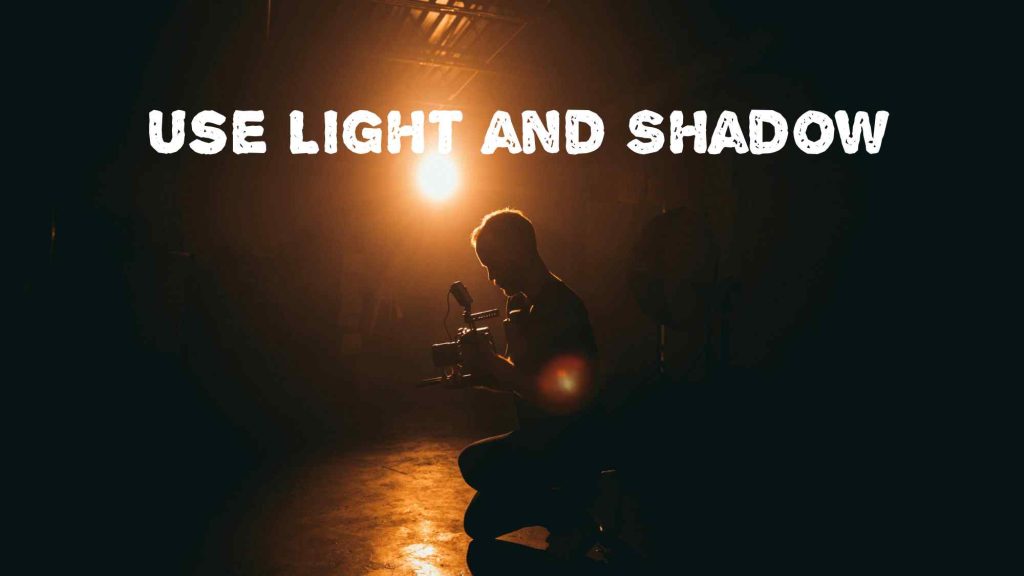
Back Lighting (Light behind subject)
- Silhouettes, halos, atmosphere.
- Great for dreamy, mysterious, or heroic shots.
- Works beautifully at golden hour.
Pro Tip: Place your subject between you and the light source for cinematic backlight flares.
2. Embrace Shadows — Don’t Eliminate Them
Many beginner photographers try to get rid of shadows. But in cinema and high-level photography, shadows are visual poetry.
Shadows:
- Create mystery and depth
- Reveal shape and form
- Focus the viewer’s attention
- Add contrast that enhances storytelling
Think of film noir movies—shadows dominate the frame and make even simple shots feel intense.
3. Use Contrast Intentionally
High contrast = dramatic, powerful, urgent.
Low contrast = soft, romantic, peaceful.
In cinematography, this is called lighting ratio—the difference in intensity between the brightest and darkest areas.
| Lighting Ratio | Effect |
|---|---|
| 1:1 (even light) | Flat, emotionless |
| 2:1 or 4:1 | Natural, balanced |
| 8:1 or more | Dramatic, theatrical |
Tip: Try using one strong light source without fill to create deep, dramatic shadows.
4. Use Practical Lights for Natural Cinematic Effects
Practical lights = visible light sources in the scene (lamps, candles, neon signs, phone screens).
Cinematographers use these to:
- Add realism
- Create warm/cool tones
- Add depth to background
Try using a desk lamp, fairy lights, or window light as your only light source for rich, cinematic contrast.
5. Experiment with Hard vs Soft Light
Hard Light:
- Comes from a small, intense source (sunlight, flashlight).
- Creates sharp, defined shadows.
- Used for intense or high-contrast scenes.
Soft Light:
- Comes from a large or diffused source (cloudy sky, softbox, window with curtain).
- Smooth transitions between light and shadow.
- Creates a gentle, emotional feel.
Cinematographers often diffuse light using silk, paper, or bounce boards. You can do this with curtains, bedsheets, or even tracing paper.
6. Use Objects to Shape Light (Cucoloris, Gobo, Grids)
In the film world, objects placed in front of lights to cast textured shadows are called:
- Gobos (go-betweens)
- Cucoloris (often patterns like blinds, trees, or lace)
Use them to:
- Simulate window light
- Break up flat lighting
- Add texture or storytelling
DIY: Shine a flashlight through a colander, plant leaves, or venetian blinds to create stunning shadow effects.
7. Use Time of Day Like a Cinematographer
Golden Hour (Sunrise/Sunset)
- Soft, warm, directional light
- Romantic and cinematic
Blue Hour (Just before sunrise or after sunset)
- Cool tones, moody and mystical
- Perfect for urban shots and silhouettes
Midday Sun
- Harsh and unflattering—but great for deep shadows or bold black-and-white compositions.
Embrace each time of day for its narrative potential, not just its convenience.
8. Tell a Story with Light and Shadow
In cinema, lighting follows the narrative. Apply this to photography:
- Want to show isolation? Use harsh side light and deep shadows.
- Want to express hope? Use soft, upward-facing light and open backgrounds.
- Want to build tension? Hide parts of your subject in darkness.
Light not only reveals—it suggests, hides, and shapes the mood.
Final Thoughts: Shoot Like a Visual Storyteller
Cinematographers think in terms of emotion, narrative, and space. You don’t need expensive gear to do the same. All you need is a creative eye and the courage to experiment with light and shadow.
Try this challenge:
Take a single subject and shoot it using:
- Side lighting
- Back lighting
- Practical lights only
- Harsh shadow play
Compare the emotional tone of each result. You’ll quickly see how light and shadow reshape the story.
Summary: Cinematic Lighting Tips for Photographers
✅ Use side or back lighting for depth
✅ Embrace contrast and shadow
✅ Use practical lights for realism
✅ Play with textures and objects
✅ Shoot at golden or blue hour
✅ Let light follow emotion—not just exposure