The modeling world is far more diverse than runway shows and glossy magazine covers. Whether you’re tall, petite, athletic, curvy, young, mature — or something in between — there’s a modeling category made just for you.
Here’s a detailed look at 20 modeling categories, so you can find your fit and kickstart your modeling journey with clarity and confidence.
1. Fashion Modeling (Editorial & Runway)
- What it is: High fashion modeling for magazines, designers, and luxury brands.
- Requirements: Tall, lean, and photogenic. Editorial models often work in print, while runway models walk fashion shows.
2. Commercial Modeling
- What it is: Everyday people modeling for products in ads, catalogs, and digital media.
- Open to all: No strict height or weight requirements.
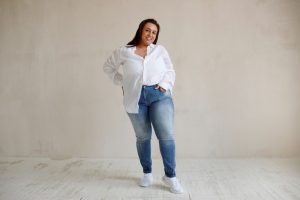
3. Plus-Size Modeling
- What it is: Models with fuller figures representing body-positive fashion.
- Brands: Lane Bryant, ASOS Curve, and more.
4. Petite Modeling
- What it is: Models under 5’7” working in commercial, eCommerce, or beauty campaigns.
- Great for: Print ads, jewelry, shoes, and accessories.
5. Fitness Modeling
- What it is: Models with athletic builds showcasing activewear and fitness brands.
- Needs: Toned physique, strength, and stamina.
6. Lingerie/Swimsuit Modeling
- What it is: Modeling intimate apparel or swimwear.
- Confidence is key: Body confidence and healthy skin are essential.
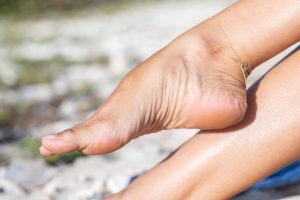
7. Parts Modeling
- What it is: Focus on specific body parts—hands, feet, eyes, lips, etc.
- Common in: Jewelry, watches, shoes, and beauty ads.
8. Mature Modeling
- What it is: Models aged 40+, 50+, and beyond.
- Increasingly in demand for beauty, fashion, and lifestyle products targeting older audiences.
9. Child and Teen Modeling
- What it is: Modeling for kids’ fashion, toys, and products.
- Parent-managed: Parental support and guidance required.
10. Glamour Modeling
- What it is: Emphasizes sensuality and appeal, often in magazines or online platforms.
- Style: Bold poses, expressive looks.
11. Body Positivity/Alternative Modeling
- What it is: Celebrating diverse body types, gender expressions, and unique appearances.
- Examples: Tattoos, piercings, albinism, disabilities.
12. E-commerce Modeling
- What it is: Modeling for online retail stores.
- Consistent work: Especially in clothing and accessories.
13. Catalog Modeling
- What it is: Showcasing outfits in printed or digital catalogs.
- Less strict: Compared to runway or editorial.
14. Beauty/Face Modeling
- What it is: Focus on facial features, often for skincare, makeup, or hair products.
- Requirements: Symmetrical features and flawless skin.
15. Runway Modeling
- What it is: Walking fashion shows.
- Needs: Tall (typically 5’9”+), slim, and strong stage presence.
16. Spokesmodel/Brand Ambassador
- What it is: Representing a brand on-camera or in person.
- Good for: Outgoing personalities with great communication skills.
17. Editorial Modeling
- What it is: Artistic and stylized photoshoots for fashion magazines.
- Think: Vogue, Harper’s Bazaar, etc.
18. High Fashion Modeling
- What it is: For luxury designers and fashion houses.
- Often overlaps with editorial and runway modeling.
19. Freelance Modeling
- What it is: Working independently without an agency.
- Must manage: Own portfolio, social media, and bookings.
20. Influencer Modeling (Social Media)
- What it is: Promoting fashion or lifestyle products to a digital audience.
- Platform-based: Instagram, TikTok, YouTube.
🧭 How to Choose the Right Category
Ask yourself:
- What type of modeling aligns with my personality and lifestyle?
- Do I meet the physical requirements for specific categories?
- Am I comfortable with the style and exposure of that category?
- What brands or campaigns inspire me?
🌟 Pro Tip: Start with what suits you now. As you grow, you can expand into other categories.
🔚 Conclusion
Modeling isn’t one-size-fits-all — it’s a spectrum of opportunities. Whether you’re tall, petite, muscular, mature, or unconventional, there’s a space for your unique look and style. Choose the right modeling path and build your career with purpose.