Photography lies at the core of the film and fashion industries—it captures stories, emotions, and artistry that define their visual identity. From glossy magazine covers to cinematic promotional stills, photographers play an essential role in shaping how people view style, celebrities, and storytelling. Whether you aspire to shoot movie posters, fashion editorials, or behind-the-scenes moments, here’s a complete guide to photography careers that thrive in these industries.
The Connection Between Photography, Film, and Fashion
Film and fashion share one thing in common—a hunger for visual storytelling. Photographers in these fields don’t just document moments; they interpret them artistically to create emotion and impact. In fashion, the focus is on trends, personality, and glamour. In film, it’s about atmosphere, movement, and narrative. Together, they define pop culture’s visual heartbeat.
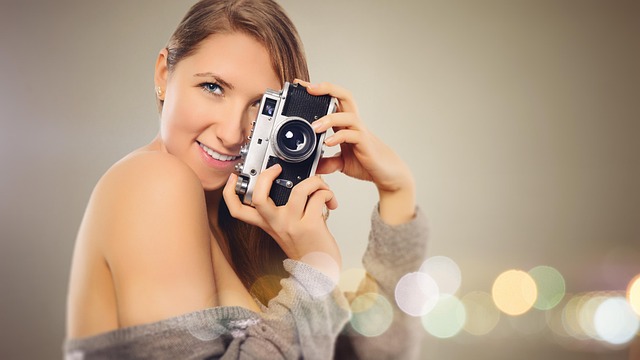
Top Photography Jobs in the Film & Fashion Industry
1. Fashion Photographer
Fashion photographers create images that represent style, design, and identity, working with models, designers, and stylists to showcase garments and accessories in dynamic ways.
Key Responsibilities:
- Plan creative fashion shoots indoors or on location
- Collaborate with stylists, models, and creative directors
- Capture images for editorial, advertising, or e-commerce platforms
Skills Needed: Lighting mastery, posing direction, styling coordination, and a deep understanding of fashion trends.
2. Celebrity and Editorial Photographer
Working with magazines, editors, and PR teams, celebrity and editorial photographers craft powerful imagery for features, interviews, and profiles. Their work balances glamour, personality, and authenticity.
Common Employers: Magazines like Vogue, Harper’s Bazaar, and Elle, or PR agencies managing entertainment portfolios.
3. Film Still Photographer (Unit Photographer)
Unit or still photographers capture moments from a film production for marketing, documentation, and editorial promotion. They photograph actors, sets, and behind-the-scenes interactions while maintaining minimal disruption to filming.
Typical Tasks:
- Capture key scenes during production
- Provide imagery for posters, streaming artwork, and press kits
- Work closely with directors and cinematographers to maintain continuity
Career Tip: Build portfolio connections within local film studios or festivals to network with producers and cinematographers.
4. Advertising Photographer
Advertising photographers create high-impact commercial visuals that appear in movie campaigns, billboards, or fashion advertisements. Projects may range from perfume ads to brand collaborations between film stars and luxury labels.
Skills Needed: Product styling, composition, marketing insight, and understanding psychological appeal in visuals.
5. Photojournalist (Entertainment or Fashion Events)
A photojournalist in entertainment photography covers events, fashion weeks, film premieres, and award ceremonies. They must capture candid yet compelling photos that tell a strong visual story for media outlets or digital publications.
Tools of the Trade: High-speed DSLRs or mirrorless cameras, telephoto lenses, and exceptional timing to capture decisive moments under varying light conditions.
6. Portrait Photographer for Actors and Models
Portrait photographers help actors, directors, and models build a professional portfolio that highlights their best traits and versatility. These shots are crucial for casting calls, social media presence, and agency submissions.
Focus Areas:
- Catch natural expressions under controlled lighting
- Retouch images for soft detail while maintaining personality
- Guide clients through relaxed, confidence-boosting poses
7. Behind-the-Scenes (BTS) Photographer
BTS photographers document film production or fashion shoots, showcasing authenticity and creativity. These images are invaluable for marketing, documentaries, and brand storytelling.
Ideal for: Creative observers who love storytelling and fast-paced environments.
8. Fashion Campaign & Lookbook Photographer
Fashion campaign photographers produce visuals aligned with branding for new clothing lines or designer launches.
They collaborate with marketing teams, art directors, and stylists to ensure each frame aligns with seasonal trends and visual aesthetics.
Essential Skills for Success
To succeed as a photographer in the film and fashion industries, develop both technical and interpersonal strengths:
- Master Lighting: Both industries thrive on visual control—learn studio and on-location lighting.
- Understand Styling and Composition: Work with makeup artists, hair stylists, and art directors to ensure cohesive presentations.
- Networking: Join photography collectives, film festivals, or Instagram communities to connect with professionals.
- Editing Expertise: Proficiency in Adobe Lightroom, Capture One, and Photoshop is a must.
- Adaptability: Be open to shifting from product shoots to live sets or editorial portraits—it builds versatility.
Educational Background and Career Path
While formal education isn’t mandatory, studying visual communication, fine arts, or photography courses provides a strong foundation. Many professionals begin by assisting senior photographers on sets, fashion shows, or advertising shoots.
Internships with media production houses, modeling agencies, or fashion brands can also accelerate your growth.
Emerging Opportunities and Digital Trends
The rise of digital media, OTT platforms, and influencer culture has revolutionized photography jobs. Today, skilled photographers also work in social media production, digital campaigns, and celebrity branding. Understanding short-form content and video hybrids (Reels, mini lookbooks) has become crucial for modern photographers.
Final Thoughts
Photography in the film and fashion industries is not just about taking beautiful pictures—it’s about creating visual impact that moves audiences. Whether you’re capturing the glitz of red carpets, the artistry of couture, or the intimacy of a film still, there’s space for every creative vision.
Stay curious, build networks, refine your craft, and embrace technology. In industries driven by trends and storytelling, your camera can do more than capture—it can define culture.