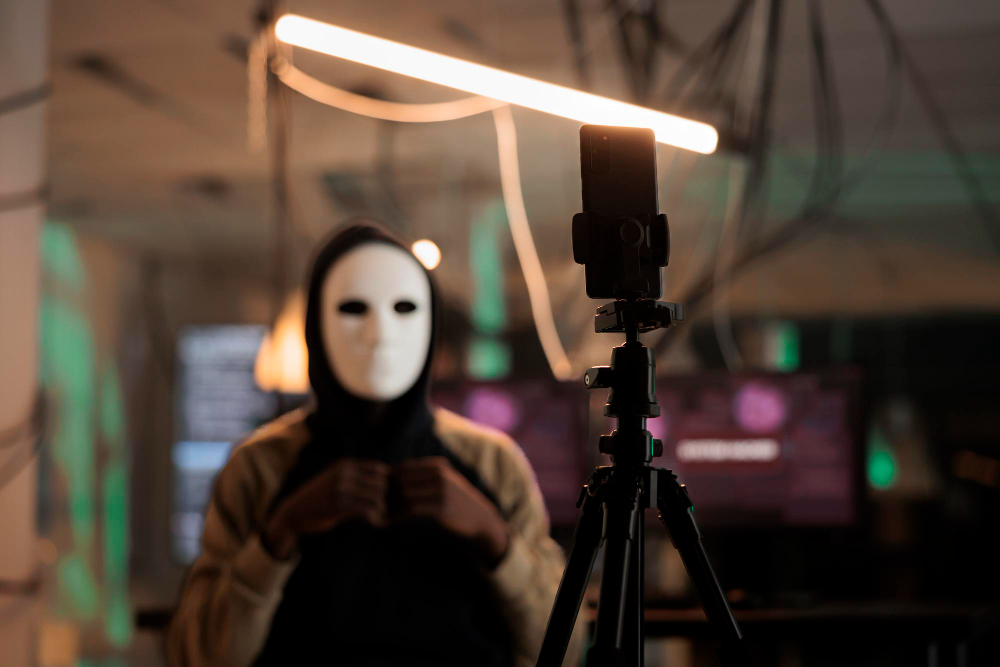
In the world of photography, unfortunately, scams are common and becoming increasingly sophisticated. Therefore, understanding these scams is essential for both photographers and clients to protect their careers, finances, and creative work.
Common Photography Scams in 2025
Firstly, one of the most widespread scams is the Fake Check/Overpayment Scam. Scammers pretend to hire photographers for fake jobs like weddings or events. Typically, they send an overpayment via a fake check and then request a refund or payment to a third party before the original check bounces. As a result, victims lose the “refund” amount without realizing the check was never valid.
Moreover, there are Vanity Awards and Contests scams. These fraudulent organizations charge hefty entry or nomination fees, guaranteeing wins or promising high-profile exposure. However, winners often realize too late that their award holds very little industry value and lacks real reputation.
For example, Paid Publication Scams lure photographers with offers to feature their work in magazines or online galleries in exchange for “administration” or “publishing” fees. These publications exist solely to make money off aspiring photographers rather than promoting their work legitimately.
Meanwhile, Product, Camera, and Gear Scams prey on photographers by offering discounted but counterfeit or non-existent gear. Buyers frequently encounter overpriced accessories, invalid warranties, or non-delivery of items.
Additionally, some fall victim to Fake Giveaway and “Free” Photoshoot Scams. These promotions attract participants with zero upfront cost but later charge enormous fees for images or pressure clients to purchase unnecessary services.
Another red flag is the Wedding Photographer No-Show Scam. Couples pay deposits or full amounts to photographers found online, only for the scammer to disappear before the event or never deliver any images.
Some people also encounter Social Media “Muse” and Payment Scams. Here, scammers claim to want to use your image as a muse, sending a fake payment before requesting a refund for “fees” or “supplies.” The original payment bounces, leaving you at a loss.
Lastly, be aware of Expo, Ticket, or Gallery Scams. Some so-called galleries or expos require photographers to buy tickets, table space, or bring in attendees, turning the photographer into the real customer.
Tips to Avoid Photography Scams
Firstly, always verify clients or employers by researching their background and confirming payment methods. Secondly, avoid paying upfront fees for awards, contests, or publications that promise guaranteed success. Furthermore, rely on trusted payment gateways and contracts to secure bookings, and be wary of suspicious overpayments or check payments.
Moreover, read terms carefully before committing to free shoots or giveaways. Finally, trust your instincts; if an offer sounds too good to be true, it probably is.
Conclusion
In conclusion, photography scams continue to evolve, impacting both photographers and clients. Therefore, staying informed and cautious is crucial to avoid falling victim. By recognizing common scams and applying smart practices, you can protect your creative work and career effectively.