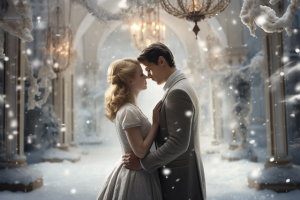
Wedding photography captures more than events; it records emotions, relationships, and memories. Conveying a love story requires vision, attention, and timing.
Key Elements
Capture genuine moments between the couple. Intimate looks, shared laughter, and small gestures reveal true connection. Portraits with eye contact or subtle touches express affection authentically.
Use the venue and setting for atmosphere. Architectural details, natural light, and meaningful locations add context to the narrative. Wide shots with surroundings frame the couple’s story.
Include family and friends to show support and shared joy. Reactions, hugs, and candid interactions enrich storytelling. These moments give depth beyond the couple.
Follow the day’s flow. Document preparations, ceremony, reception, and quiet interludes. Chronological coverage builds story progression.
Use creative compositions. Close-ups of hands, rings, or tear-filled eyes focus on intimate details. Silhouettes, reflections, or shadows add artistic mood.
Frame emotions authentically. Capture smiles, tears, excitement, and calmness. Each emotion contributes to the layers of the story.
Explore natural light and shadows. Early morning or golden hour light enhances warmth and softness. Night shots with artificial light lend drama and romance.
Incorporate movement. Walking, dancing, or playful moments show personality and dynamism. Movement breaks static feel and draws viewers in.
Post-processing techniques guide tone and style. Color grading, black and white conversion, or subtle vignettes influence emotional impact. Maintain authenticity and avoid overediting.
Conclusion
Wedding photography becomes storytelling by focusing on heartbeats, connections, and surroundings. Every shot represents a chapter in a couple’s love story. The careful blend of candid moments, artistic vision, and technical skill crafts timeless images that speak to emotion and memory.