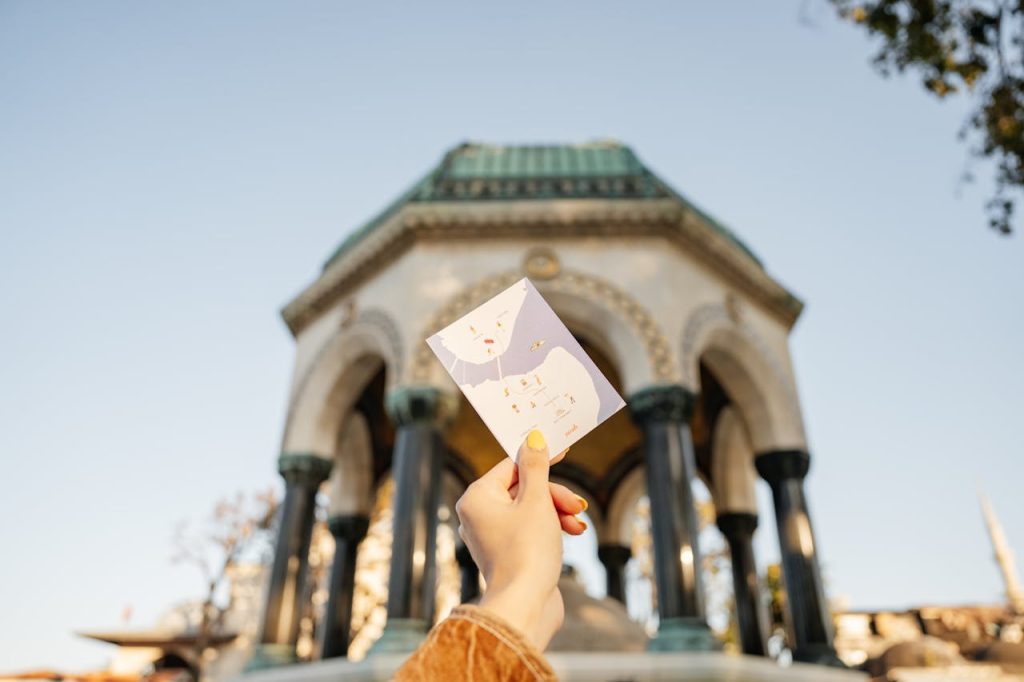
Tips for Finding the Best Photography Locations: Unlock Stunning Shots Every Time
The perfect location can make all the difference in your photography, turning an ordinary shot into a captivating masterpiece. Whether you’re shooting portraits, landscapes, urban explorations, or commercial projects, selecting the right spot sets the stage for mood, composition, and storytelling. But finding the best locations takes creativity, research, and preparation. Here’s a comprehensive guide with practical tips to help you discover photography spots that inspire and elevate your work.
1. Know Your Vision and Style
Before scouting, clarify the mood, theme, and style of your shoot. Do you want vibrant urban scenes, serene nature settings, rustic charm, or sleek modern backdrops? Having a vision narrows your search and guides your decisions.
2. Use Location Scout Apps and Websites

Technology is your friend! Use apps like Instagram (location tags), Google Earth, and dedicated platforms like ShotHotspot, The Dyrt, or Mapillary to find photogenic spots near you or in your travel destinations.
3. Explore Local Hidden Gems
Don’t just stick to popular landmarks—explore lesser-known parks, alleyways, rooftops, and communities. Often, off-the-beaten-path places provide unique textures and storytelling angles that set your work apart.
4. Visit Locations at Different Times of Day
Lighting is everything. Visit your chosen locations at sunrise, golden hour, or blue hour to gauge how natural light changes the look and feel. Consider night shoots for dramatic urban or star photography.
5. Check Accessibility and Permissions
Verify if the location is easy to reach, safe, and permits photography. Some private locations or protected areas require permits or fees—plan ahead to avoid surprises.
6. Use Social Media for Inspiration and Clues

Search hashtags and geotags on Instagram, TikTok, and Pinterest related to your area or shoot type. Follow photographers and influencers who shoot locally to discover hidden spots and trends.
7. Look for Complementary Backgrounds and Foregrounds
Good locations offer layered elements—interesting backgrounds, textures, and foregrounds that add depth to your composition. Consider walls with murals, textured bricks, water bodies, or natural foliage.
8. Scout Early and Bring a Location Checklist

Physical scouting ahead of the shoot saves time. Bring a checklist of shots you want and test angles with your phone or camera to anticipate challenges.
9. Think Seasonally and Weather-Wise
Flowers, fall colors, snow, or rain can change a location dramatically. Align your shoot to make the most of seasonal beauty or atmospheric moods.
10. Network with Other Creatives

Connect with local photographers, models, and artists who know the area. Collaboration often leads to discovering exclusive or lesser-known photo spots.