Tips for Shooting Inside: Master Indoor Photography in 2025
Shooting photos indoors offers unique creative opportunities but also comes with challenges like limited or uneven lighting and space constraints. With the right techniques, gear, and mindset, you can capture stunning, professional-quality images inside any environment. Here are expert tips to help you master indoor photography this year.
1. Find the Best Light Source
Natural light is your best friend indoors. Position your subject near windows where soft, diffused sunlight floods the room. Avoid placing your subject in direct harsh sunlight to prevent blown-out highlights or deep shadows. If daylight is limited, consider using curtains or sheer blinds to diffuse and soften the light.
2. Understand Light Direction
- Front Light: Subject faces the window for even illumination and flattering details.
- Side Light: Light hits the subject from the side, creating depth and texture with gentle shadows.
- Backlight: Shooting toward the window for silhouettes or radiant outlines—adjust exposure carefully to avoid under- or overexposing your shot.
3. Use Reflectors and White Surfaces
Bounce natural or artificial light onto your subject using white reflectors, foam boards, or even light-colored walls to fill in shadows and create balanced lighting.
4. Adjust Your Camera Settings
Indoor lighting often demands tweaking:
- Use a wide aperture (low f-number) like f/2.8 or lower to let in more light and create a shallow depth of field.
- Keep ISO as low as possible to reduce grain but increase it moderately (400–800 or higher) if needed without losing too much image quality.
- Use a shutter speed fast enough to avoid blur (typically 1/60 or faster for handheld shots).
- Shoot in RAW format for better post-processing flexibility.
5. Stabilize Your Camera
Use a tripod or stable surface to avoid camera shake, especially in low light when slower shutter speeds are necessary. If handholding, use good posture—tuck elbows close and gently press the camera to your face.
6. Declutter Your Scene
Make sure the background is tidy and free of distractions. Simple backdrops or light-colored walls can enhance focus on your subject.
7. Experiment With Composition
Use techniques like the rule of thirds, leading lines, and framing with doors or windows to add interest and depth to your indoor shots.
8. Get Creative With Props and Close-ups
Add texture and detail by shooting close-ups or using props and patterns (like lace shadows or reflective surfaces) to create visually compelling images.
9. Use Artificial Light Wisely
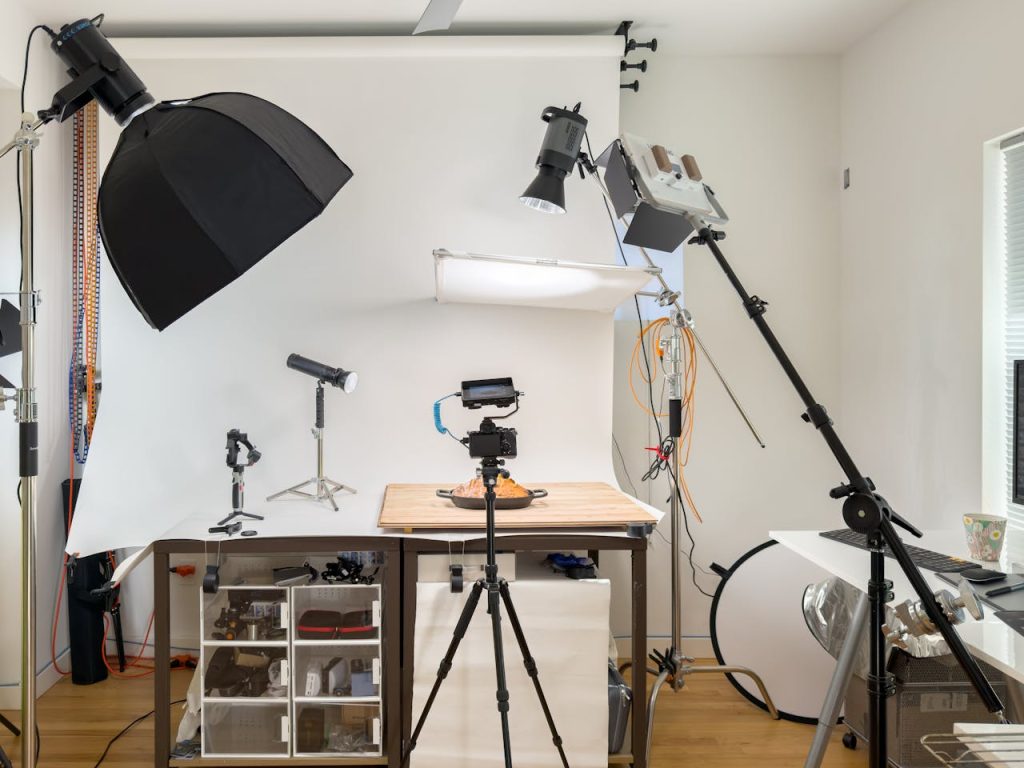
If natural light is insufficient, supplement it with soft artificial sources like desk lamps, ring lights, or flashes bounced off walls or ceilings for soft, natural-looking illumination.
10. Edit Thoughtfully
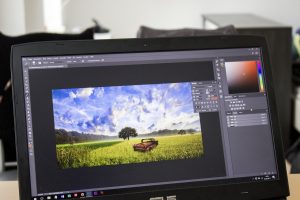
Post-processing can dramatically enhance your indoor photos. Adjust exposure, contrast, white balance, and reduce noise from high ISO shots using tools like Adobe Lightroom or other editing software.