
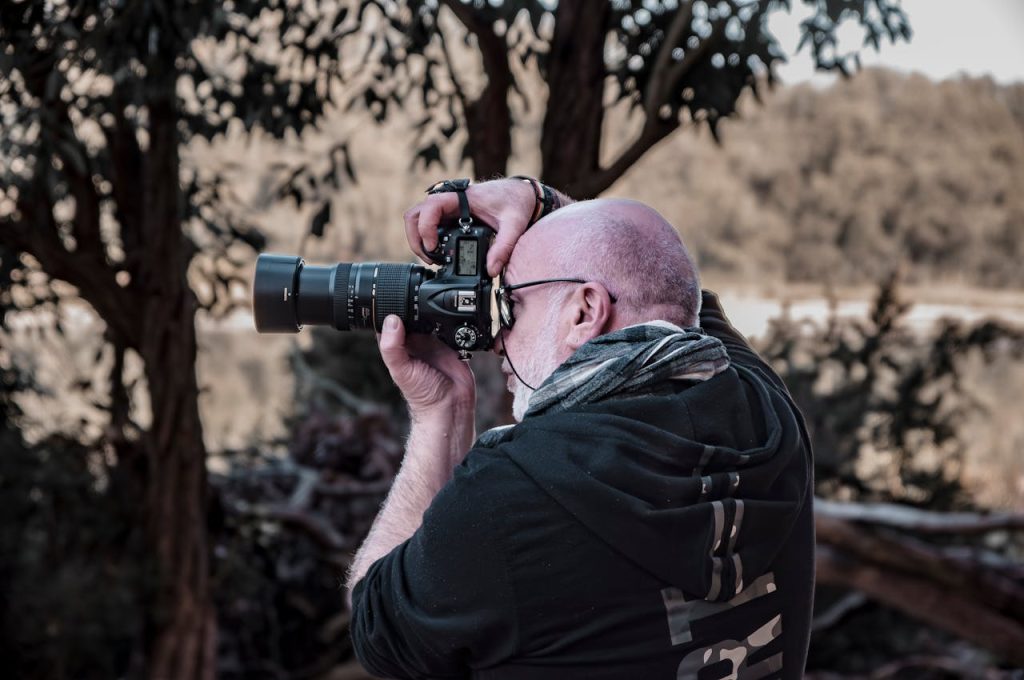
Tips for Shooting Outside: Elevate Your Outdoor Photography in 2025
Shooting outside presents incredible opportunities for stunning photos but also unique challenges. Whether you’re capturing landscapes, portraits, or urban scenes, mastering outdoor photography means understanding how to work with natural conditions to create your best images. Here are practical, expert tips for shooting outside that will help you take your photography to the next level.
1. Plan and Know Your Location
Before you shoot, research your location. Consider the best time of day for lighting, weather conditions, and any unique features of the area. Use apps to check sunrise/sunset times, weather forecasts, and special local conditions like tides or crowds. Whenever possible, scout the location in advance to find compelling compositions and anticipate challenges.
2. Avoid Harsh Midday Sunlight
The bright midday sun often creates harsh shadows and highlights that can blow out details and cause unwanted glare. To avoid this, shoot early in the morning or late in the afternoon during the golden hour when the sunlight is soft, warm, and directional, creating beautiful natural light for your photos.
3. Use Open Shade for Even Lighting
If shooting during harsher daylight, position your subject or scene in open shade—areas under trees or overhangs but close to bright light. This gives you even, diffused lighting that reduces harsh shadows and prevents squinting in portraits.
4. Master White Balance Settings
Outdoor lighting can vary widely, and auto white balance might not always capture colors correctly. Adjust your camera’s white balance to match the lighting conditions for more natural colors. Shooting during sunrise or sunset can also make white balance adjustments easier with warmer tones.
5. Pay Attention to Composition
Use classic composition techniques such as the rule of thirds, leading lines, and framing to guide the viewer’s eye and add depth. Look for natural elements in the environment that add visual interest and balance to your shots.
6. Work With Depth of Field
Adjust your aperture settings to control depth of field. For portraits, use a wide aperture (low f-number) to blur backgrounds and make your subject pop. For landscapes, a narrower aperture (higher f-number) will keep more of the scene in focus.
7. Bring the Right Gear
A sturdy tripod can be invaluable for stabilizing your camera during longer exposures or panoramic shots. Remote shutter releases help avoid camera shake. Consider reflectors or diffusers to manipulate sunlight and fill shadows.
8. Shoot in RAW
Capture images in RAW format to maximize your ability to edit exposure, white balance, and colors in post-processing without losing quality.
9. Use Flash for Fill Light
Don’t shy away from using your flash outdoors to fill in shadows created by sunlight, especially for portraits. This can balance your subject’s lighting and add a natural glow.
10. Experiment and Have Fun
Outdoor photography requires adaptability. Experiment with different angles, perspectives, and focal lengths. Be mindful of the changing light and weather, and embrace creative opportunities that arise.





Enjoyed reading this