
Winter Photo Shoot Tips: Capture Magical Moments in the Cold
Winter offers a dreamy, unique backdrop for photos—think sparkling snow, frosty trees, and soft, silvery light. But chilled fingers and tricky lighting can make winter photo shoots challenging for even seasoned photographers. Whether you’re shooting portraits, landscapes, or lifestyle content, these winter photo shoot tips will help you create stunning, cozy images (and keep your clients happy) all season long.
1. Dress (and Advise Clients) for Warmth and Comfort
Layering is key. Gloves with removable fingertips, warm boots, and thermal clothing keep everyone comfortable and shoot-ready. Tell your subjects to add pops of color—reds, greens, or mustard stand out beautifully against snowy scenes.
2. Master Exposure in Snowy Conditions
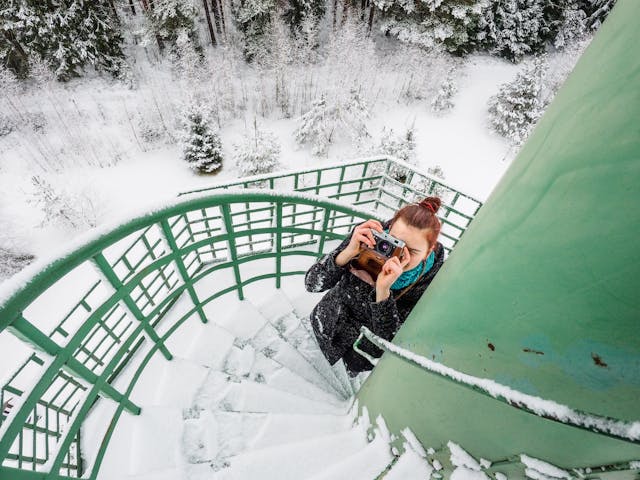
Snow reflects a lot of light, often tricking your camera’s meter and resulting in underexposed (gray) snow. To keep whites crisp, dial in +0.3 to +1 EV (exposure compensation) or shoot in manual mode and slightly overexpose.
3. Protect Your Gear
Keep cameras and lenses in insulated bags and use rain covers or plastic bags to prevent condensation when transitioning between cold outdoors and warm interiors. Bring extra batteries—cold drains them quickly!
4. Take Advantage of Golden and Blue Hours
Winter days are short but magic happens at sunrise and right before sunset (“golden hour”)—the sun sits low and the light is soft and golden. The “blue hour,” just before sunrise or after sunset, adds a moody, magical atmosphere.
5. Embrace Snowfall and Weather
Emphasize mood by shooting during gentle snowfalls, mist, or fog. Use a fast shutter speed (1/250s or higher) to freeze snowflakes, or a longer exposure for motion blur.
6. Include Human Elements for Warmth
Capture subjects wrapped in cozy scarves, sipping hot drinks, or playing in the snow. Genuine emotions pop against winter’s minimalist backgrounds and make your images relatable.
7. Get Creative with Props

Bring colorful blankets, mugs, lanterns, or fairy lights to add pops of color, texture, and warmth to your compositions.
8. Mind Your Colors and White Balance
Winter scenes are often blue-toned; use your camera’s “cloudy” white balance or adjust in post-production for more natural skin tones and accurate snow color.
9. Use Reflections and Shadows
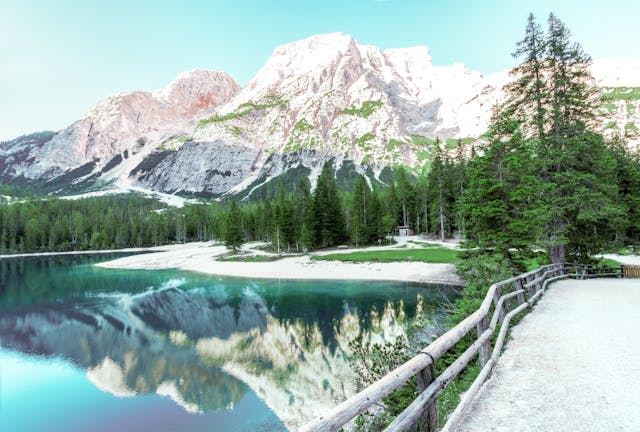
Look for reflections in icy puddles or glassy snow for extra drama. Long winter shadows at sunrise/sunset add depth and interest to your shots.
10. Stay Safe and Flexible
Scout locations in advance for safety, especially after snow or ice storms. Remain flexible and be ready to reschedule if conditions get too harsh for cameras or people.