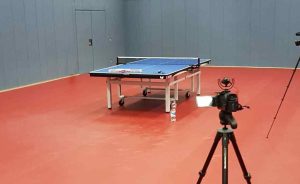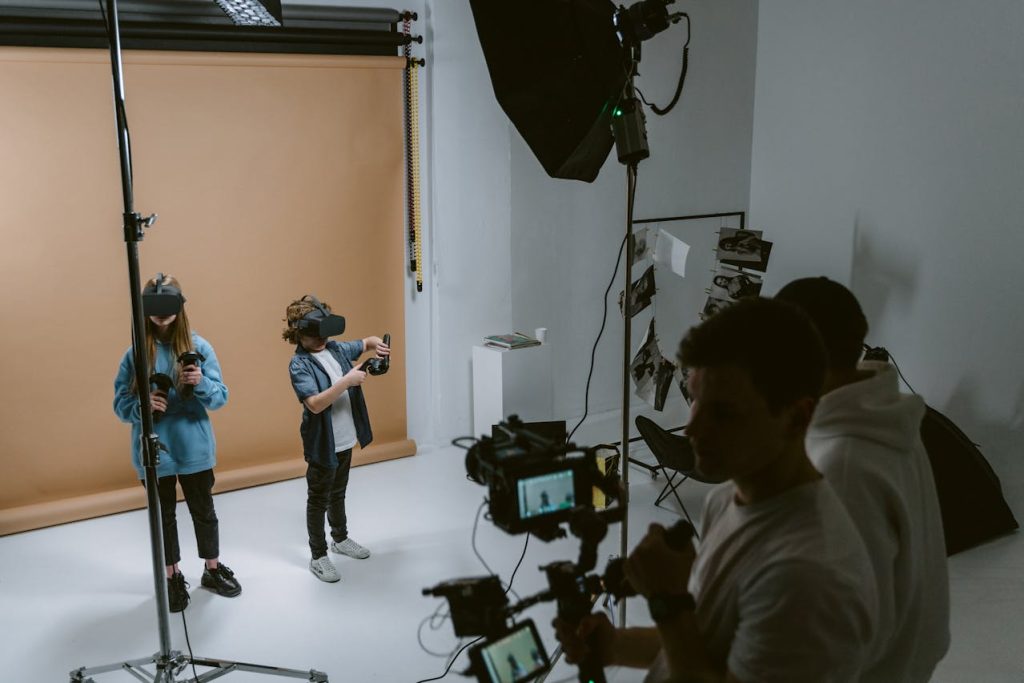
eSports has become one of the fastest-growing competitive entertainment industries, where live streaming and audience engagement are key. High-quality camera setups are essential to capture player reactions, audience energy, and in-game content for online and offline viewers.
1️⃣ Face Cameras (Player POV Cameras)
- Small cameras mounted near the player to capture real-time reactions.
- Often placed on top of gaming monitors or desks.
- Essential for live streaming platforms like Twitch or YouTube Gaming.
2️⃣ Overhead/Top-Down Cameras

- Capture team setups, keyboards, and mouse movements.
- Provide a behind-the-scenes view of player activity.
3️⃣ Broadcast Cameras (PTZ Cameras)
- Used for stage-wide shots and audience coverage.
- PTZ (Pan-Tilt-Zoom) cameras allow remote control for smooth angles.
4️⃣ Handheld Gimbal Cameras
- For dynamic backstage content and player interviews.
- Provide smooth motion footage for vlogs or event highlights.
5️⃣ Action Cameras (GoPros)
- Mounted on desks or players to capture unique angles.
- Great for immersive behind-the-scenes content.
6️⃣ Cinematic Cameras
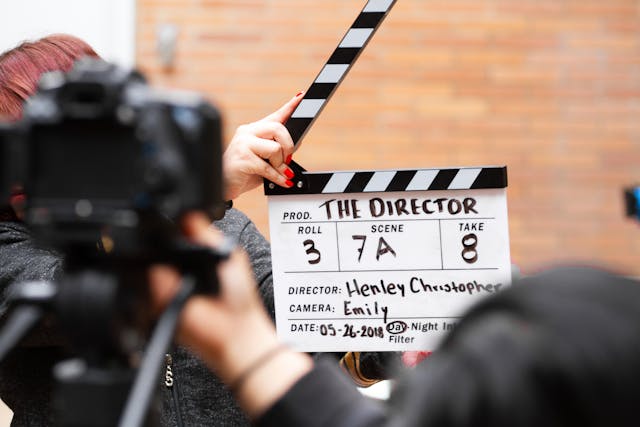
- High-end DSLRs or mirrorless cameras for promo videos, event trailers, and slow-motion B-roll.
7️⃣ 360-Degree Cameras
- Used for VR streams and immersive fan experiences.
- Provide interactive views of the arena or stage.
🎯 Conclusion
eSports broadcasting relies on a mix of face cams, PTZ cameras, gimbals, and cinematic setups to make live streams engaging and professional. The right combination ensures both players and the audience feel part of the action.