Motorsport is one of the most exciting sports to watch, but capturing the speed, intensity, and adrenaline of racing requires advanced camera setups. From onboard action cameras to trackside broadcast cameras, every angle plays a role in delivering the ultimate racing experience to viewers worldwide.
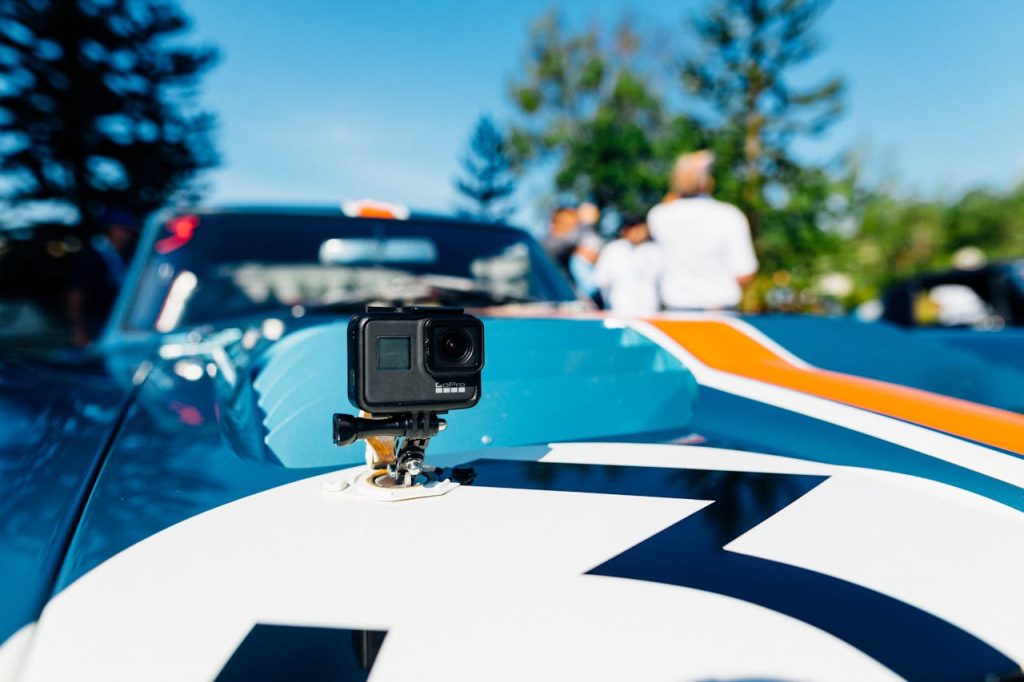
1️⃣ Onboard Cameras (Helmet & Car-Mounted)
- Small, rugged cameras (like GoPro) attached to the driver’s helmet or inside the car cockpit.
- Provide immersive first-person views from the driver’s perspective.
- Capture steering, gear shifts, and high-speed track action.
2️⃣ Trackside Broadcast Cameras
- High-resolution cameras placed around corners, straights, and pit lanes.
- Used for live TV broadcasting and replays.
- Often operated remotely with pan, tilt, and zoom features.
3️⃣ Aerial Drone Cameras
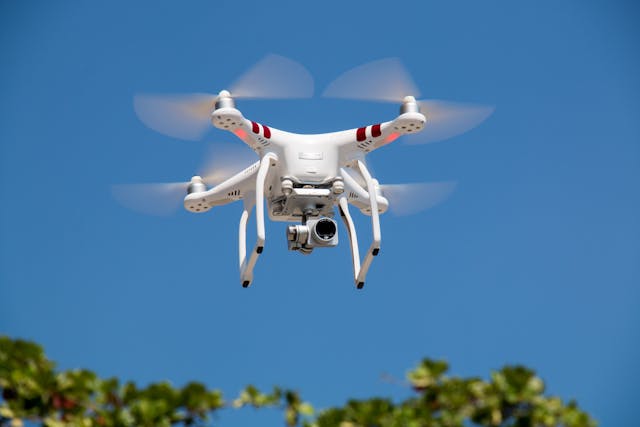
- Provide dynamic overhead shots of the race track.
- Useful for opening shots, overtakes, and cinematic highlights.
4️⃣ High-Speed Slow-Motion Cameras
- Capture dramatic tire smoke, crashes, or overtakes in slow motion.
- Essential for analyzing race incidents and adding cinematic flair.
5️⃣ Pit Lane & Garage Cameras
- Used for covering crew activities, tire changes, and strategy moments.
- Often handheld or fixed to capture real-time reactions.
6️⃣ 360-Degree Cameras
- Mounted in cars or on specific track points for VR racing experiences.
- Allow fans to look around the track in immersive ways.
7️⃣ Handheld Gimbal Cameras
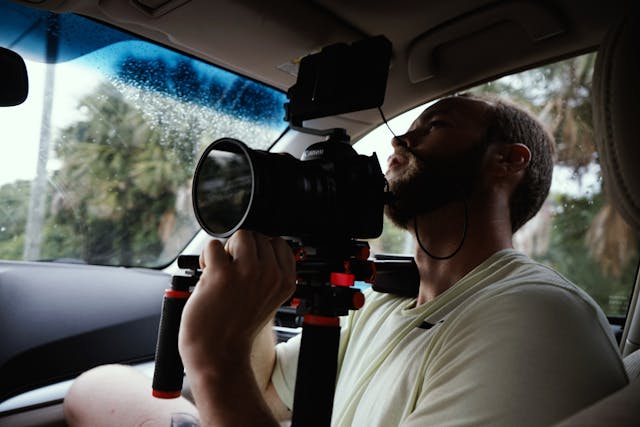
- Provide smooth motion shots in paddocks, podiums, and driver interviews.
🎯 Conclusion
Motorsport coverage relies on a combination of onboard, trackside, drone, and slow-motion cameras to deliver thrilling visuals to fans. The right mix of camera types makes viewers feel as if they are inside the race.