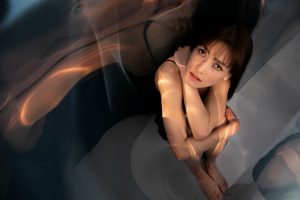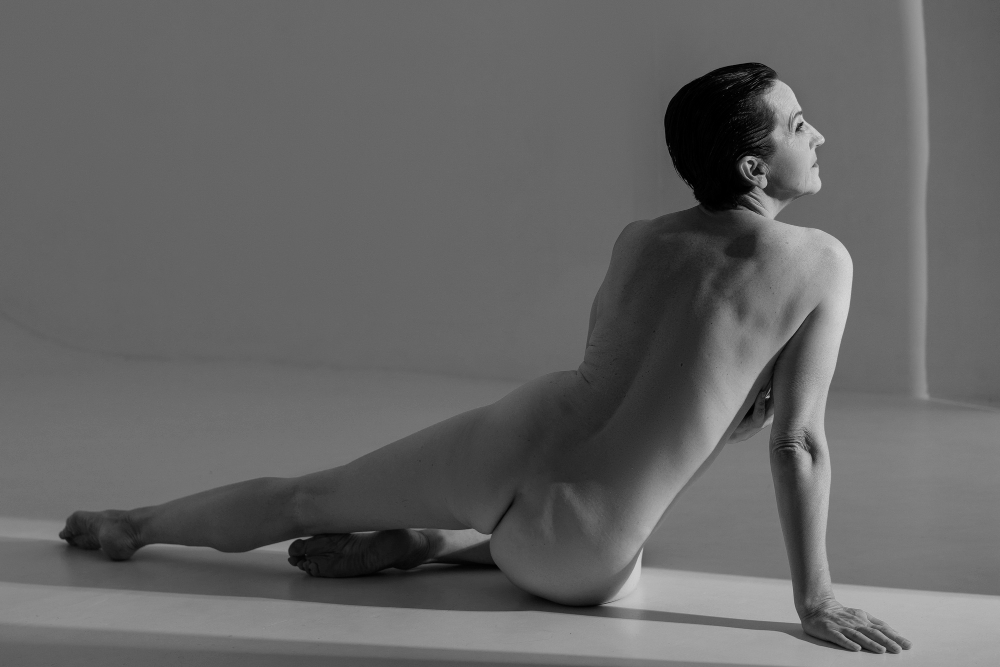
The art of nude photography is not about shock value. It is about form, light, shadow, emotion, and the human body as a visual subject. When approached with sensitivity and intention, nude photography can become one of the most expressive and elegant genres in portraiture.
A strong nude photograph focuses on shape, balance, and mood. It may suggest vulnerability, confidence, strength, or calm without being explicit. The goal is to create an image that feels artistic, respectful, and carefully composed.
This genre requires more planning than many other types of portrait photography. The photographer must think about trust, privacy, posing, lighting, and boundaries before ever pressing the shutter.
Building Trust Before the Shoot
Trust is the foundation of any successful nude photography session. Without it, the subject will likely feel tense, guarded, or uncomfortable, and that will show in the final images. The photographer should explain the purpose of the shoot clearly and discuss what style of images will be created.
A written agreement is a smart idea. It should cover privacy, image usage, pose boundaries, editing expectations, and how the final photos will be delivered. This helps the subject feel safe and gives the photographer a professional structure to work within.
Communication also matters during the shoot itself. The subject should always know what pose is needed, what will be visible, and whether a change in angle or direction is coming. Clear direction reduces anxiety and creates better results.
Choosing the Right Setting
The setting shapes the mood of nude photography. A studio can provide a controlled environment with simple backgrounds and precise lighting. A bedroom, bathroom, or natural indoor space can create a softer and more intimate feeling.
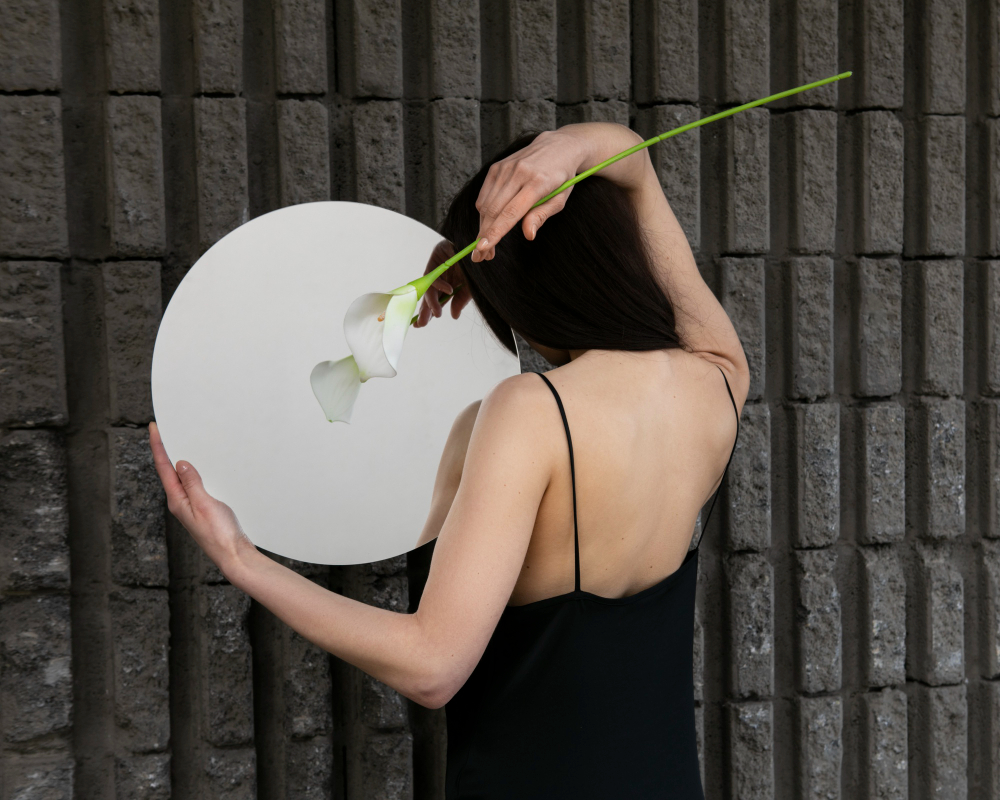
Minimal backgrounds usually work bzest because they keep the attention on form and light. Clutter can distract from the subject and weaken the artistic impact. Neutral walls, textured fabrics, and plain surfaces often help the body become the main visual element.
Natural environments can also work beautifully when used carefully. Light through a window, soft curtains, or a quiet outdoor space can add atmosphere without overwhelming the subject. The key is to choose a location that supports the mood instead of competing with it.
Lighting and Shadow
Lighting is one of the most important tools in nude photography. It defines the body’s curves, highlights texture, and creates the emotional tone of the image. Soft directional light is often the most flattering because it shapes the body gently while preserving detail.
Side lighting can create beautiful contrast and depth. Backlighting can produce a dreamier, more delicate silhouette effect. Window light is especially popular because it feels natural and intimate while still allowing control over direction and softness.
Shadows are just as important as light. In nude photography, shadows can conceal areas that the subject may want to keep private while also adding drama and elegance. A skilled photographer learns how to use darkness as part of the composition rather than treating it as a problem.
Posing with Respect and Intention
Posing is what turns a nude image from a simple body study into an artistic photograph. The best poses usually feel natural, relaxed, and balanced. Stiff or forced body positions can make the subject look uncomfortable and break the mood.
The photographer should guide the subject into poses that create clean lines and interesting angles. Bent limbs, turned shoulders, and subtle shifts in weight often help create elegance and movement. Hands should be placed carefully so they support the composition rather than distract from it.
It is also important to avoid over-directing. Too many instructions can make the subject tense. A calm, confident photographer who gives simple, clear direction often gets better and more authentic results.
Composition and Visual Storytelling
Composition gives nude photography its artistic structure. Without thoughtful framing, the image can feel plain or unfinished. Good composition uses balance, negative space, and body position to create a strong visual story.
Crop carefully to emphasize shape, gesture, or emotion. Sometimes a close crop focusing on a shoulder, back, or silhouette creates more impact than a full-body shot. In other cases, wider framing allows the body to interact with the space and creates a more cinematic feel.
The image should tell a story even if it is quiet and minimal. A curled pose can suggest introspection. A standing silhouette can suggest confidence. A reclining shape can suggest calm or vulnerability. Composition helps the viewer feel that story without needing anything explicit.
Wardrobe, Draping, and Minimal Styling
Not every nude-inspired image needs complete exposure. Draping, partial coverage, and minimal styling can often create more elegant and tasteful results. A sheet, robe, silk fabric, or strategically placed cloth can add softness and visual interest.
These elements can also help the subject feel more comfortable during the session. Many artists use partial coverage as a way to ease into more open compositions while maintaining a sense of style and control. This can be especially helpful in first-time sessions.
Accessories should remain minimal. Jewelry, hair styling, or a simple prop may work well if it supports the mood. The more restrained the styling, the more the body, light, and emotion can stand out.
Editing and Retouching
Editing should enhance the photograph without removing its natural character. Gentle retouching can smooth distractions, correct color, and improve contrast. However, over-editing can make the image look artificial and weaken its emotional honesty.
Skin should usually retain texture. Small imperfections are part of the real human form, and too much retouching can make the body look plastic or unrealistic. The goal is to polish the photograph, not erase the subject’s identity.
Color grading can also influence mood. Warm tones may feel intimate, while cooler tones can feel distant or meditative. Black-and-white editing is another strong option because it draws attention to shape, light, and shadow.
Ethics and Professional Responsibility
The art of nude photography comes with a higher level of responsibility. The photographer must respect the subject’s boundaries at all times. No pose, angle, or request should ever feel pressured or unsafe.
Consent must be ongoing, not assumed. The subject should have the right to pause, adjust, or stop at any point. This is not only ethical but also essential for creating a respectful working environment.
Privacy is equally important. Nude images should be stored securely and shared only with clear permission. If the photos are meant for private portfolio use, that should be clearly documented in advance.
Common Mistakes to Avoid
One common mistake is treating nude photography as purely technical. If the image lacks emotion, intention, or atmosphere, it may feel flat even if the lighting is perfect. The strongest nude photographs combine technical skill with sensitivity.
Another mistake is poor communication. If the subject does not know what to expect, the shoot can become awkward or stressful. Clear planning makes everything smoother and more professional.
A third mistake is using nudity without purpose. Nude photography should never feel random or gimmicky. Every choice in pose, light, and framing should support the artistic intent.