
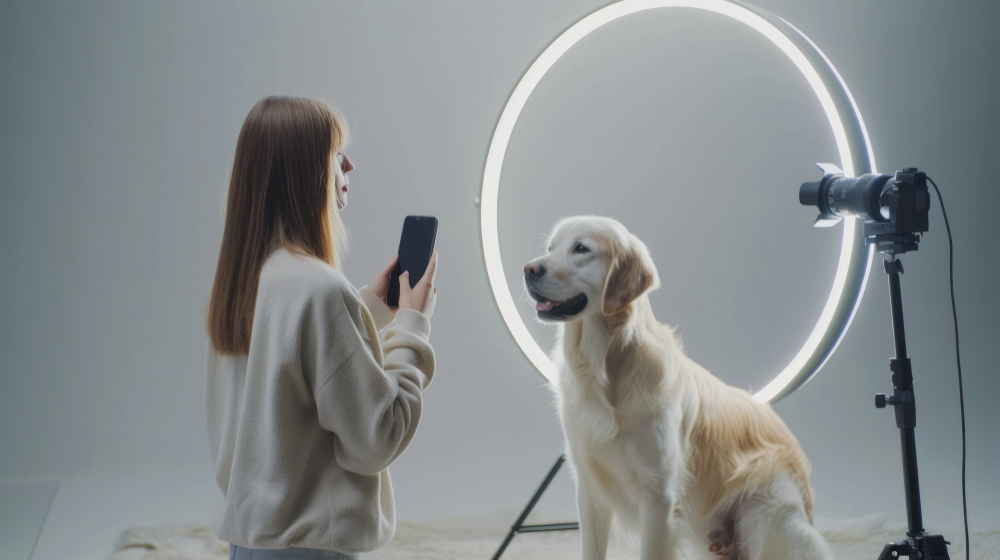
Lighting is one of the most critical elements in pet photography. It not only affects the technical quality of your photos but also shapes the mood and enhances the unique character of your furry subjects. Mastering the role of lighting in pet portraits enables you to bring out your pet’s natural beauty and create images that truly resonate.
In this guide, we’ll explore the fundamentals of lighting for pet portraits and provide practical tips and tricks to help you illuminate your pets perfectly, both indoors and outdoors.
Why Lighting Matters in Pet Portraits
Pets often have intricate fur textures, expressive eyes, and subtle colors that good lighting can highlight beautifully. Proper lighting enhances these details while avoiding unwanted shadows or blown-out highlights that can ruin the photo’s impact.
Unlike humans, pets don’t take direction easily, so reliable lighting helps you work quickly and flexibly to capture those fleeting moments.
1. Embrace Natural Light Whenever Possible
Natural light is gentle, flattering, and easily available. Shooting near large windows or outdoors during the “golden hours” (early morning or late afternoon) gives soft, warm light that accentuates fur texture and eye sparkle.
Use indirect sunlight to avoid harsh shadows. Overcast days act as a natural diffuser, scattering sunlight evenly and reducing contrast—ideal for outdoor pet portraits.
2. Avoid Direct Flash
On-camera flash tends to create harsh lighting that can startle pets, cause red-eye, and flatten texture. Instead, if you must use flash, opt for off-camera, diffused lighting or bounce the flash off walls or ceilings to soften the light.
3. Use Reflectors to Fill Shadows
Reflectors bounce existing light onto shaded areas, helping to balance exposure and soften shadows. Portable reflectors or even white foam boards work well indoors and outdoors to illuminate dark fur or shadowed faces subtly.
4. Experiment with Side Lighting
Side lighting, where light hits your pet from one side, adds depth and dimension by creating soft shadows that define the contours of the face and body. It produces a three-dimensional effect and can accentuate details like whiskers and fur texture.
5. Try Backlighting for Dramatic Silhouettes and Highlights
Backlighting places the light source behind your pet, often creating a glowing outline around their fur. This can add a dreamy or dramatic effect but requires careful exposure settings to avoid rendering the pet too dark. Use fill light or reflectors from the front to maintain detail while enjoying the beautiful rim light.
6. Use Softboxes and Diffusers Indoors
If shooting indoors under artificial lights, soften harsh sources with diffusers or softboxes. These spread the light evenly and reduce hotspots, helping you achieve more natural-looking pet portraits.
7. Consider Ambient Light for Mood
Ambient light from lamps, candles, or colored light sources can set a cozy or playful mood in your portraits. Be creative, but ensure the pet remains the focal point by balancing ambient and main lighting.
8. Adjust Your Camera Settings for Lighting Conditions
Lower ISO in bright natural light to reduce noise. Use wider apertures to compensate for lower indoor light. Adjust white balance to match the light source for accurate colors.
9. Watch for Catchlights in the Eyes
Catchlights are small reflections of the light source in the eyes, giving them life and sparkle. Position your light to create pleasing catchlights that enhance your pet’s expression and engagement.
Good lighting transforms pet portraits from ordinary snapshots into captivating stories of character and emotion. By understanding and controlling light effectively, you’ll consistently capture stunning images that celebrate your pet’s unique spirit.


Your audience, your profits—become an affiliate today!
Become our partner and turn referrals into revenue—join now!