Introduction
List of natural poses that work with any dog is a simple topic, but it can make a big difference in pet photography. When a dog feels relaxed, the pose looks more genuine, the expression feels softer, and the final photo usually feels more alive. Natural poses are also easier for dogs of all sizes, ages, and personalities because they do not require complicated training or stiff direction.
The best dog poses are often the simplest ones. Sit, stand, lie down, walk, and play are basic positions that most dogs already know or naturally fall into. These poses are easy to capture, flattering on camera, and flexible enough to work in almost any location.
Why Natural Poses Work So Well
Natural poses are effective because they do not force the dog into an unnatural shape. A dog that is comfortable in its body usually looks calmer, more expressive, and easier to photograph. This is why many pet photographers begin with basic commands or natural behaviors instead of more complex posing ideas.
These poses also work with almost any dog because they do not depend on breed size, special training, or perfect obedience. A puppy, senior dog, rescue dog, or energetic pet can all be captured beautifully with the right timing. The key is to keep the session relaxed and let the dog’s own personality guide the shot.
Sitting Pose
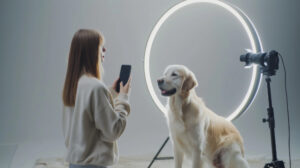
The sitting pose is one of the easiest and most reliable dog photography poses. Most dogs can sit on command or naturally settle into a seated position when they pause. This makes it a strong starting point for portraits and full-body shots.
A sitting pose works especially well when the dog is facing the camera or looking slightly off to the side. It creates a calm, balanced composition and gives the photographer a clear view of the face. Sitting also works well in both studio and outdoor settings because it keeps the body stable.
Standing Pose
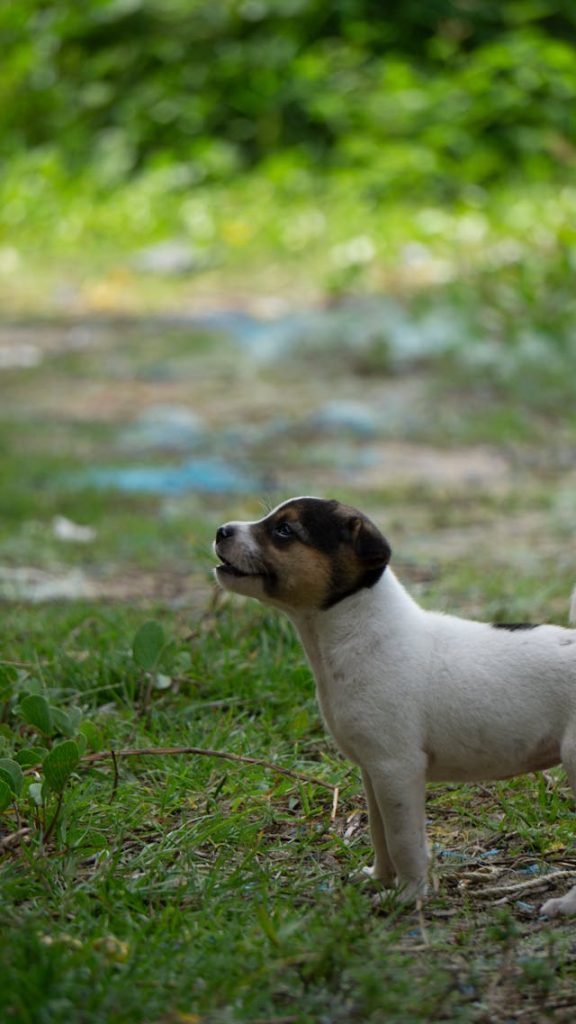
A standing pose is another natural option that works with almost any dog. It shows the dog’s full body structure and gives a more complete sense of shape and posture. This is useful if you want a portrait that feels straightforward and classic.
Standing poses are great when the dog is alert but calm. They work well on trails, sidewalks, grass, or clean indoor backgrounds. If the dog is small, you can use a lower camera angle to make the image feel stronger and more engaging.
Lying Down Pose
A lying down pose gives the image a soft, relaxed feeling. Dogs often lie down when they are resting, waiting, or feeling comfortable, so this pose usually looks very natural. It works especially well for older dogs or dogs that may not want to stay active for long.
This pose is very flexible. The dog can lie with paws forward, head up, or head resting on the ground. Each variation creates a slightly different mood, from alert and watchful to sleepy and peaceful.
Walking Pose
Walking shots are one of the best ways to capture natural movement. They show the dog in action without requiring a dramatic pose. A dog walking beside a person, toward the camera, or across a path can create a very authentic image.
This pose works especially well outdoors because the environment adds context to the movement. It is also useful for dogs that do not stay still for long. A walking pose often feels more honest and energetic than a carefully arranged portrait.
Play Pose
Play is one of the most natural states for many dogs, especially younger or energetic ones. A toy, ball, or simple game of fetch can create beautiful action photos. This kind of pose works because the dog is focused, happy, and moving naturally.
Play poses are great when you want a lively, joyful look. The dog may jump, run, crouch, or turn quickly, which creates dynamic images with personality. These moments often produce the most expressive and memorable photos.
Looking at the Camera
A direct look at the camera is not exactly a pose, but it is one of the most effective natural portrait moments. When a dog glances toward the lens, the image immediately feels more personal. This works in almost any setting because it brings attention straight to the face and eyes.
You do not need the dog to stare intensely. Even a brief glance can be enough to create a strong portrait. Capturing that moment often depends on patience and timing rather than strict direction.
Side Profile Pose
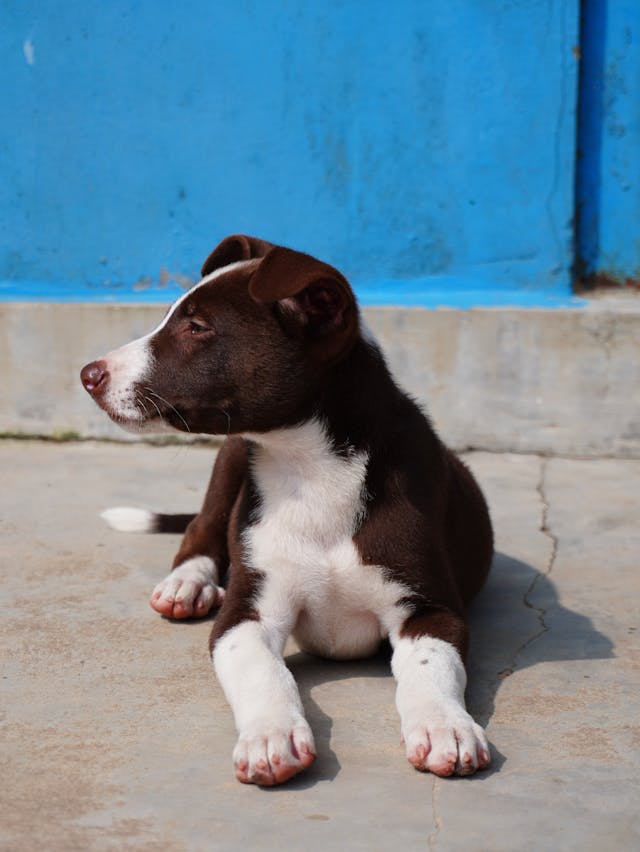
A side profile pose is a simple way to show the dog’s shape without forcing anything. It works especially well for dogs with interesting ears, long snouts, fluffy coats, or elegant body lines. The profile gives the image a clean, balanced feel.
This pose can be created while the dog is standing, sitting, or lying down. The side angle also helps when the dog is shy or easily distracted because it does not require direct eye contact. Many photographers use this pose as a safe fallback when other ideas are not working.
Over-the-Shoulder Pose
The over-the-shoulder pose is one of the most charming natural dog photo ideas. It often happens when a dog turns its head back toward the camera after looking away. This creates a sweet and curious expression that feels very authentic.
It works well when the dog is walking, sitting, or standing with slight movement. Because it is a spontaneous pose, it often looks less staged than a traditional front-facing portrait. This is a great option for dogs that are playful or easily distracted.
Crouch or Low Play Pose
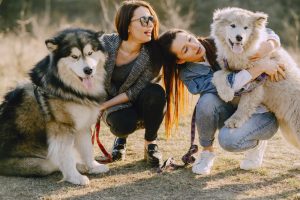
A crouch or low play pose is common when dogs are excited and ready to interact. It often appears as a playful bow, a low stance, or a front-end-down position that suggests movement. This pose is naturally expressive and full of energy.
It works best when the dog is relaxed enough to play freely. The photographer can capture the pose as part of a game or while the dog is waiting for a toy. This creates photos that feel honest and full of life.
How to Make Any Pose Look Better
The environment plays a big role in how natural a pose looks. Clean backgrounds, open space, and soft lighting help the dog stand out without visual clutter. Eye-level shooting also makes the image feel more intimate and connected.
Patience matters just as much as technique. Dogs do not need to hold a pose perfectly for a long time. Often the best images happen in quick, natural moments between commands or movements.
Final Thoughts
A good list of natural poses that work with any dog does not need to be complicated. The most successful dog photos usually come from simple positions that feel comfortable and familiar. Sitting, standing, lying down, walking, playing, and looking toward the camera are all reliable choices that work across breeds and personalities.
The real goal is to capture the dog’s natural behavior in a flattering and relaxed way. When the pose feels easy for the dog, the image usually feels more genuine for the viewer. That is what makes a natural dog portrait feel timeless and memorable.