Introduction
Pro tips for taking gorgeous photos in the rain can help you turn gloomy weather into a creative advantage. Rain adds mood, reflections, texture, and atmosphere that you simply cannot get on a dry day. Instead of waiting for perfect weather, you can use rainy conditions to create dramatic, emotional, and unforgettable images.
Rain photography works for portraits, street scenes, city shots, couples, and even nature images. The challenge is learning how to protect your gear, use the available light, and compose images that feel intentional rather than accidental. With the right approach, rainy weather becomes one of the most rewarding times to shoot.
This guide will walk you through practical techniques, creative ideas, and simple habits that make rain photography safer and more effective. Whether you are shooting in light drizzle or heavier rain, these tips can help you create better results with confidence.
Why Rain Makes Photos Better
Rain changes the entire mood of a scene. It softens the light, deepens the colors, and creates reflections on roads, windows, and puddles. These elements can make ordinary locations look cinematic and visually rich.
Wet weather also adds movement and emotion. Umbrellas, ripples, droplets, and mist all create a sense of story. A rainy photo often feels more alive because the environment itself becomes part of the composition.
Another advantage of rainy conditions is that people often move differently. They hurry, shelter, pause, or interact with the weather in natural ways. These gestures can create authentic moments that are difficult to stage on a clear day.
Protect Your Camera First
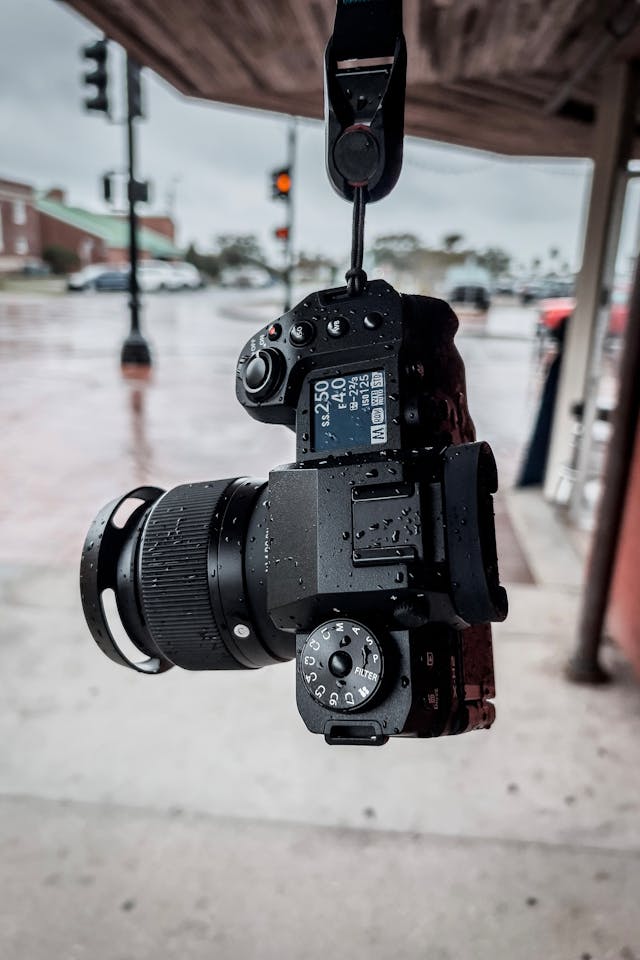
Before you focus on composition, make sure your camera and lens are protected. Rain can damage equipment quickly if you are not careful. A rain cover, camera sleeve, or even a simple jacket and umbrella setup can help you shoot safely.
Try to minimize lens changes while you are outside. Each time you remove a lens, moisture can get into the camera body or onto the sensor. It is better to choose one lens before heading out and stick with it for the session.
If possible, use weather-sealed gear. Even if your equipment is not fully sealed, a lens hood and a protective filter can provide an extra layer of safety. The goal is to stay ready to shoot without exposing your gear more than necessary.
Work with Soft Light
Rainy weather usually gives you softer, more diffused light than bright sunshine. This is one of the biggest benefits of shooting in the rain. The clouds act like a natural softbox, which helps reduce harsh shadows and creates a smoother look.
Soft light is ideal for portraits because it flatters skin and keeps the scene balanced. It also works well for city and street photography because it preserves detail in wet surfaces and buildings. You can often capture a more cinematic mood without needing extra lighting equipment.
If the sky is very dark, pay attention to exposure. You may need to raise your ISO or open your aperture to keep your image bright enough. A well-exposed rainy scene will usually look more polished than one left too dark.
Look for Reflections
One of the best creative opportunities in rain photography is reflection. Wet pavement, puddles, windows, and shiny surfaces can turn the world into a mirror. These reflections add depth and can make a simple scene look much more interesting.
Try shooting from a lower angle to emphasize puddles and mirror-like surfaces. This perspective often makes the reflection more visible and dramatic. It can also help you frame the subject in a more original way.
Reflections are especially powerful in city photography. Neon lights, street signs, headlights, and people walking through wet streets can create beautiful layers. When you learn to spot reflections quickly, you start seeing rainy weather as an opportunity instead of a problem.
Use Rain as a Story Element
Rain is more than a background effect. It can become part of the story you are telling. A person holding an umbrella, waiting under a shelter, or walking through the rain creates a natural narrative.
Think about what the rain means in the image. It might suggest loneliness, romance, quietness, or resilience. When you frame the scene with that emotional tone in mind, the photo becomes stronger and more meaningful.
This is especially useful in portrait photography. The subject does not have to pose dramatically for the image to feel powerful. Even a simple expression or a small gesture can feel more emotional in rainy weather.
Capture Motion in the Rain
Rain can be shown in different ways depending on your shutter speed. A fast shutter speed freezes droplets in the air and makes the rain itself visible. This works well when you want crisp detail and energy.
A slower shutter speed creates a softer, more misty effect. The rain may blur slightly, which can give the image a dreamy quality. Both approaches are useful, so it helps to experiment based on the mood you want.
Movement in the rain also adds life to the photo. People walking, umbrellas shifting, or water splashing from the street can all make the composition feel more dynamic. The key is to anticipate the action and keep shooting.
Use Umbrellas Creatively
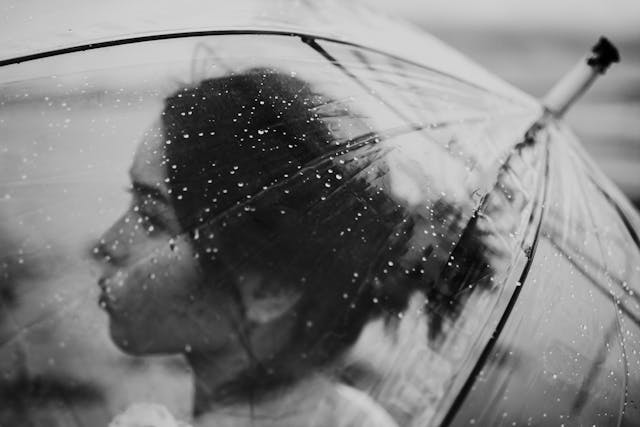
Umbrellas are both practical and photogenic. They keep your subject dry while also adding shape and color to the composition. A transparent umbrella, a bright umbrella, or even a classic black one can create a very different visual effect.
In portraits, umbrellas can frame the subject and add a natural focal point. They also help people feel more relaxed because they have something to hold. This can make the pose look more natural and less staged.
You can also use umbrellas to create layered compositions. An umbrella in the foreground, the subject in the middle, and wet streets in the background can build a strong sense of depth. This is one of the easiest ways to make rain photos feel more complete.
Try Backlit Rain Shots
Backlighting can make rain look especially beautiful. When light comes from behind the subject, raindrops catch the light and become more visible. This effect can make the photo feel dramatic, glowing, or almost cinematic.
Backlit rain works well in portraits, especially when the subject is standing near a streetlight, window, or bright background. The droplets can shimmer around the subject and create a strong mood. It is one of the most striking ways to show rain without making the image feel flat.
To make this work, watch your exposure carefully. You want enough light behind the rain to make it visible, but not so much that it washes out the subject. A careful balance will give you the best result.
Use a Fast or Slow Shutter Intentionally
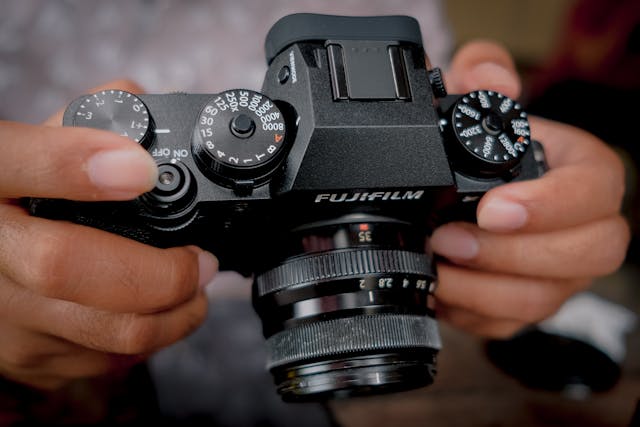
Shutter speed is one of the most important settings in rain photography. A fast shutter speed freezes rain droplets and splashes. This works best when you want to show detail and energy.
A slower shutter speed lets rain streak across the frame and creates a softer, more atmospheric effect. This can be useful for city scenes or moody portraits. It adds a sense of motion that feels more artistic than literal.
The right choice depends on your goal. If you want a clean, sharp image, go faster. If you want mood and softness, slow it down and let the rain become part of the texture.
Choose Strong Composition
Rainy scenes can become messy if the composition is not clear. Because the environment already contains more visual activity, it is important to keep the frame simple and purposeful. Focus on one main subject or one strong visual idea.
Look for leading lines, reflections, and contrasts. Wet roads, sidewalks, building edges, and umbrella shapes can guide the viewer’s eye. A strong composition helps the photo feel calm even when the weather is busy.
Try to avoid clutter unless it adds to the story. In rain photography, simplicity often makes the image more powerful. A few well-placed elements can say more than a crowded frame.
Edit Rain Photos Carefully
Editing can enhance the mood of rainy images, but it should stay subtle. Slight contrast adjustments, deeper shadows, and controlled highlights often help bring out the atmosphere. The goal is to keep the image natural while emphasizing the rain’s texture and tone.
You may want to increase clarity or dehaze slightly if the rain has made the image look too soft. Be careful not to overdo it, though, because too much editing can remove the natural softness that makes rainy photos appealing. A gentle touch usually works best.
Black-and-white editing is also a strong option for rain photography. It can make the image feel timeless, emotional, and dramatic. This style works especially well for portraits and street scenes.
Final Thoughts
Pro tips for taking gorgeous photos in the rain are really about seeing weather differently. Rain does not have to stop you from shooting. In many cases, it gives you a chance to create photos that feel richer, more cinematic, and more memorable.
The keys are simple: protect your gear, use soft light, look for reflections, and compose with intention. Once you learn to work with the rain instead of against it, you will start finding beauty in scenes that others might overlook. That is where some of the best photos begin.