Introduction
Tips to improve your photography are useful whether you are just starting out or already shooting regularly and want stronger results. Better photos usually come from small habits rather than one big change. When you learn to see light, compose more carefully, and practice with intention, your images improve much faster.
Photography gets better when you slow down and pay attention to the details around you. The right subject, angle, timing, and settings can turn an ordinary shot into something much more compelling. That is why improving photography is less about expensive gear and more about learning how to use what you already have more effectively.
Focus on Composition
Composition is one of the fastest ways to improve your photography. It is the arrangement of elements inside the frame, and it controls where the viewer looks first. Even a simple subject can look more interesting when it is placed with purpose.
A good first step is to use the rule of thirds. Imagine your frame divided into nine equal sections and place your subject near one of the lines or intersections. This often creates a more balanced and dynamic image than putting everything in the center.
Also pay attention to the edges of the frame. Avoid cutting off important parts of your subject, and remove distractions that pull attention away from the main idea. Strong composition makes your photos feel cleaner and more intentional.
Learn to See Light
Light changes everything in photography. Soft light flatters portraits, while harsh light can create strong contrast and dramatic shadows. Learning to notice light quality, direction, and color will quickly improve the look of your work.
Try shooting during golden hour when the sun is low and warm. This light is often more flattering and easier to work with than midday sun. If you shoot indoors, place your subject near a window and experiment with how the light falls across the face or object.
The more you study light, the more control you gain over your images. Instead of hoping a scene looks good, you start shaping it through your choices.
Practice Every Day
Regular practice is one of the most effective ways to grow. You do not need to shoot something perfect every day; you just need to keep observing, experimenting, and learning. Small, consistent practice builds confidence faster than waiting for the “ideal” photo opportunity.
You can give yourself simple challenges, such as photographing one subject from five angles or using only one lens for a week. These exercises force you to think more creatively and help you break old habits. Over time, that improves both your technical skill and your visual style.
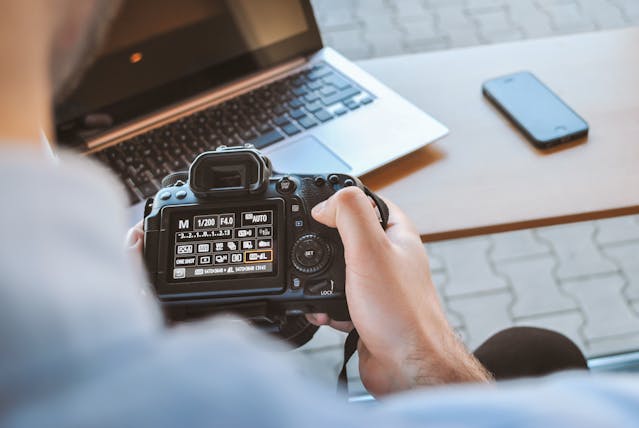
Practice also helps you become more comfortable with your camera. The more familiar you are with your settings, the faster you can react when a good moment appears.
Use the Right Lens for the Scene

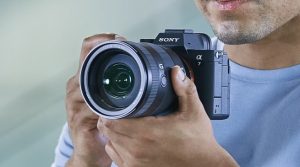
Your lens choice affects the mood and perspective of your image. A prime lens can be a great tool because it encourages you to move around and think more carefully about framing. Many photographers find that working with a fixed lens improves creativity because it limits lazy composition.
Wide lenses can be useful for landscapes, interiors, and environmental portraits. Telephoto lenses can help isolate your subject and compress the background. Each lens gives a different visual effect, so learning when to use each one is important.
You do not need many lenses to improve. Often, one lens used well is better than several lenses used carelessly. The key is understanding what each lens does to the final image.
Shoot in RAW
Shooting in RAW gives you much more flexibility when editing. It preserves more image data than a JPEG, which means you have greater control over exposure, color, and detail later. This can make a big difference when a scene is tricky or the light is not perfect.
RAW files are especially helpful when learning photography because they give you room to correct mistakes. If the exposure or white balance is slightly off, you have more options in post-production. That can save otherwise good images.
If your camera supports RAW, it is worth using it regularly. It gives you more creative freedom and helps you develop a stronger editing workflow.
Use a Tripod When Needed

A tripod can improve your photography in several ways. It helps keep your camera steady, which is useful in low light, long exposures, landscapes, and self-portraits. It also encourages you to slow down and think more carefully about your composition.
When the camera is fixed in place, you become more deliberate with framing and timing. That often leads to more thoughtful images. A tripod is also helpful for creating consistent product photos or sharp architectural shots.
You do not need a tripod for every session, but using one when appropriate can improve both technical quality and creative control. It is one of the simplest tools for making your photos more precise.
Study Your Old Photos
Reviewing old photos is a powerful learning habit. It helps you see what worked, what did not, and how your eye is changing over time. Often, the most useful lessons come from comparing your strongest images with the ones that feel weak.
Look for patterns in your work. Are your backgrounds distracting? Are your subjects too centered? Are your shots underexposed or lacking contrast? Identifying these habits helps you improve faster than guessing.
You can also recreate old photos and try to make them better. This gives you a clear benchmark and helps you measure progress in a practical way.
Try Creative Techniques
Creative experimentation keeps photography fresh. Once you understand the basics, you can start trying techniques like shooting through glass, using reflections, experimenting with motion blur, or playing with double exposures. These ideas help you develop a more personal style.
Creative shooting also teaches you to think quickly. When you experiment, you learn how light, motion, and composition interact in different situations. That skill becomes valuable in both personal and client work.
The goal is not to use every effect all the time. It is to build a flexible approach so you can choose the right creative idea for the right moment.
Slow Down and Be Intentional
One of the best tips to improve your photography is to stop rushing. It is easy to take many photos without really seeing them. Slowing down helps you make better decisions about framing, focus, and timing.
When you pause before pressing the shutter, you notice more details. You become more aware of background distractions, body position, and light direction. That extra second of thought often leads to a stronger image.
Photography improves when you treat each shot as a choice, not a habit. Being intentional creates better results than simply shooting more.
Final Thoughts
The best tips to improve your photography are often the simplest ones: pay attention to composition, study light, practice often, and learn from your own work. You do not need a huge budget or advanced gear to get better. What matters most is developing the habit of seeing carefully and shooting with purpose.
Photography improves step by step. As you build these habits, your images will become more consistent, creative, and polished. The more thoughtfully you shoot, the more your work will stand out.