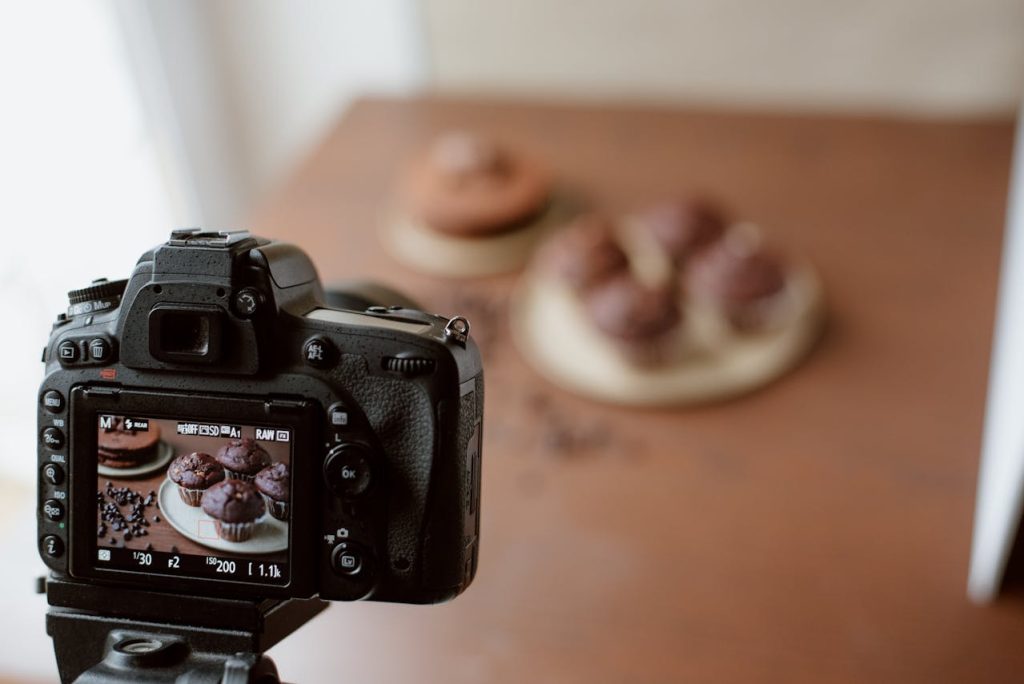
Tips for Food Photo Shoots: Capture Mouthwatering Food Photos in 2025
Food photography is an art that combines creativity, technical skill, and a deep appreciation for presentation. Whether you’re a food blogger, chef, restaurant owner, or just love sharing your culinary creations, mastering the techniques for food photo shoots will make your dishes irresistible on camera. Here are expert tips to help you capture delicious, drool-worthy food photos that stand out.
1. Use Natural Light Whenever Possible
Natural light is the best choice for food photography because it reveals the true colors and textures of your dish. Shoot near a large window with indirect sunlight for soft, flattering light that avoids harsh shadows. Avoid using the camera flash, as it can create unappetizing glare.
2. Choose the Right Time of Day
Photograph your food during the daytime when natural light is abundant. Early morning or late afternoon light delivers a gentle quality that enhances textures and colors. Avoid shooting under harsh midday sun, which can create unwanted shadows and overexposed spots.
3. Set Up Your Scene Thoughtfully
Pay attention to the background, props, and table setting. Use simple, clean backgrounds that complement the dish—such as wooden boards, marble countertops, or neutral fabrics—to avoid distracting from the food. Add props like cutlery, napkins, or fresh ingredients to tell a story but keep the focus on the main dish.
4. Master Composition
Apply composition rules like the rule of thirds, leading lines, and framing to make your food photos more engaging. Use overhead shots for flat lays that emphasize shape and arrangement, and close-ups or side angles for showing layers, textures, and depth.
5. Highlight Texture and Freshness
Show off the food’s texture by shooting at an angle that captures surface details such as crisp crusts, juicy fillings, or creamy sauces. Use a shallow depth-of-field (wide aperture) to blur the background slightly and draw attention to the food’s fresh elements.
6. Use Reflectors or Whiteboards
To soften shadows and add light to darker areas, use reflectors or whiteboards to bounce natural light back onto the food. This brings balance to the image and enhances the food’s appeal.
7. Focus on Key Elements
Be selective and focus on the most appetizing parts of the dish. For example, zoom in on a melty cheese pull, steam rising from hot soup, or dripping sauces to evoke sensory responses.
8. Keep Your Lens Clean
Oil and food particles on your camera lens can ruin a shot. Clean your lens regularly during the shoot to keep images sharp and clear.
9. Edit Thoughtfully
Use editing apps or software to adjust brightness, contrast, saturation, or sharpness to enhance your photos naturally. Avoid over-editing that alters the true appearance of the food.
10. Experiment and Have Fun
Food photography is a creative process. Try different angles, arrangements, and lighting setups until you find what makes your food look irresistible.