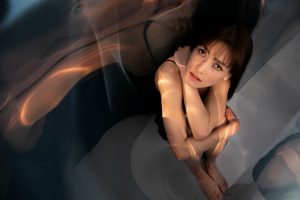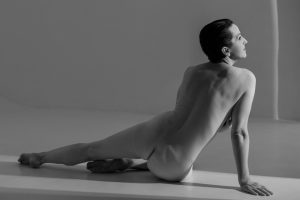
The beauty of minimalism in nude photography lies in its ability to remove distractions and focus on form, light, and emotion. When the frame is stripped down to its essentials, the viewer sees shape, posture, shadow, and feeling more clearly. Minimalism gives nude photography a quiet strength that feels refined rather than overpowering.
Instead of competing with busy backgrounds or elaborate styling, the subject becomes the center of attention. This makes every line of the body, every shift in posture, and every contrast of light feel more meaningful. In many cases, less visual noise leads to more visual impact.
Minimalist nude photography also creates a timeless quality. Trends in wardrobe, props, and locations can change quickly, but simple compositions remain elegant for years. That is one of the reasons minimalism continues to appeal to both photographers and viewers.
The Role of Negative Space
Negative space is one of the strongest tools in minimalist nude photography. It gives the subject room to breathe and allows the eye to rest. This empty area can make the pose or silhouette feel more powerful because it isolates the subject from unnecessary distractions.
A large blank wall, a plain backdrop, or an open shadow area can all serve as effective negative space. These elements do not need to be boring. When used intentionally, they create a calm and sophisticated feeling that supports the body’s shape and movement.
Negative space can also help direct attention. If the subject is placed off-center, the empty area can create balance and elegance. This kind of composition often feels more artistic than a crowded or overly detailed frame.
Simple Backgrounds and Clean Environments
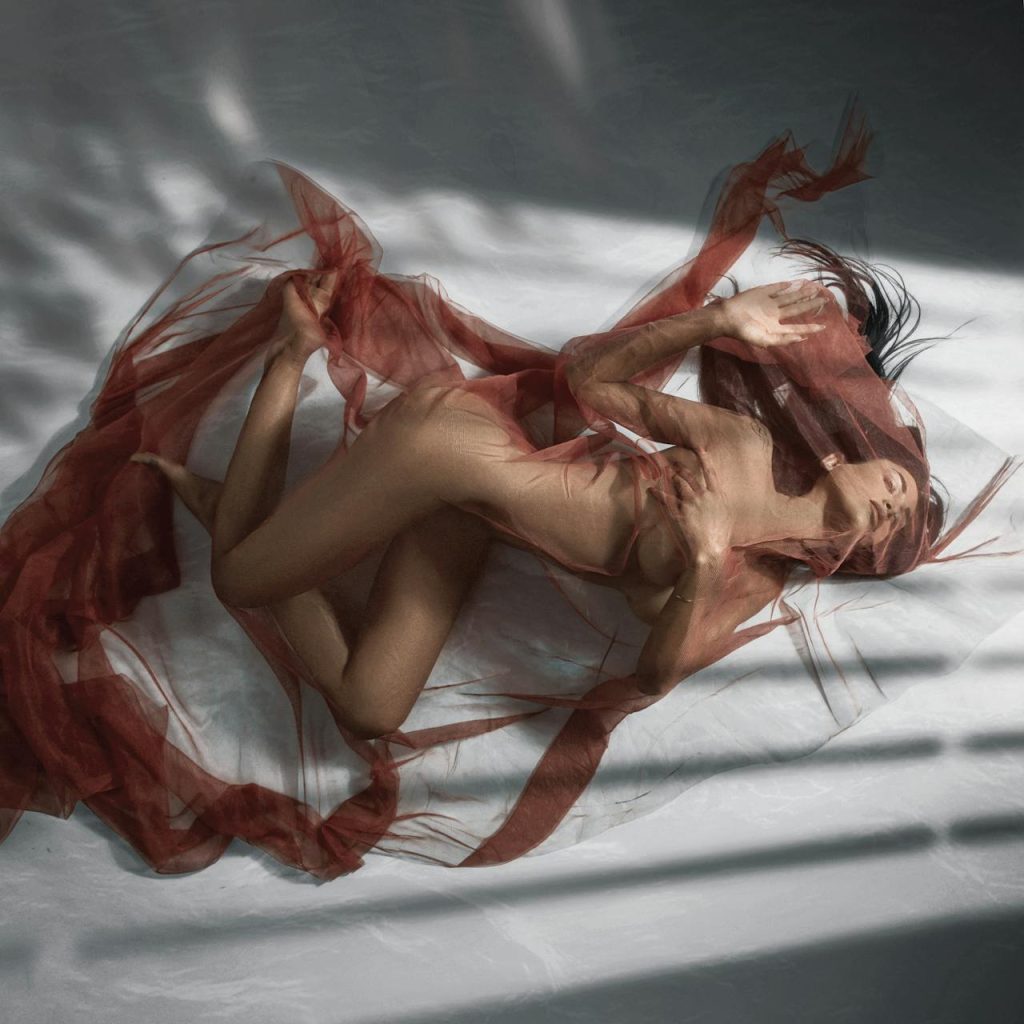
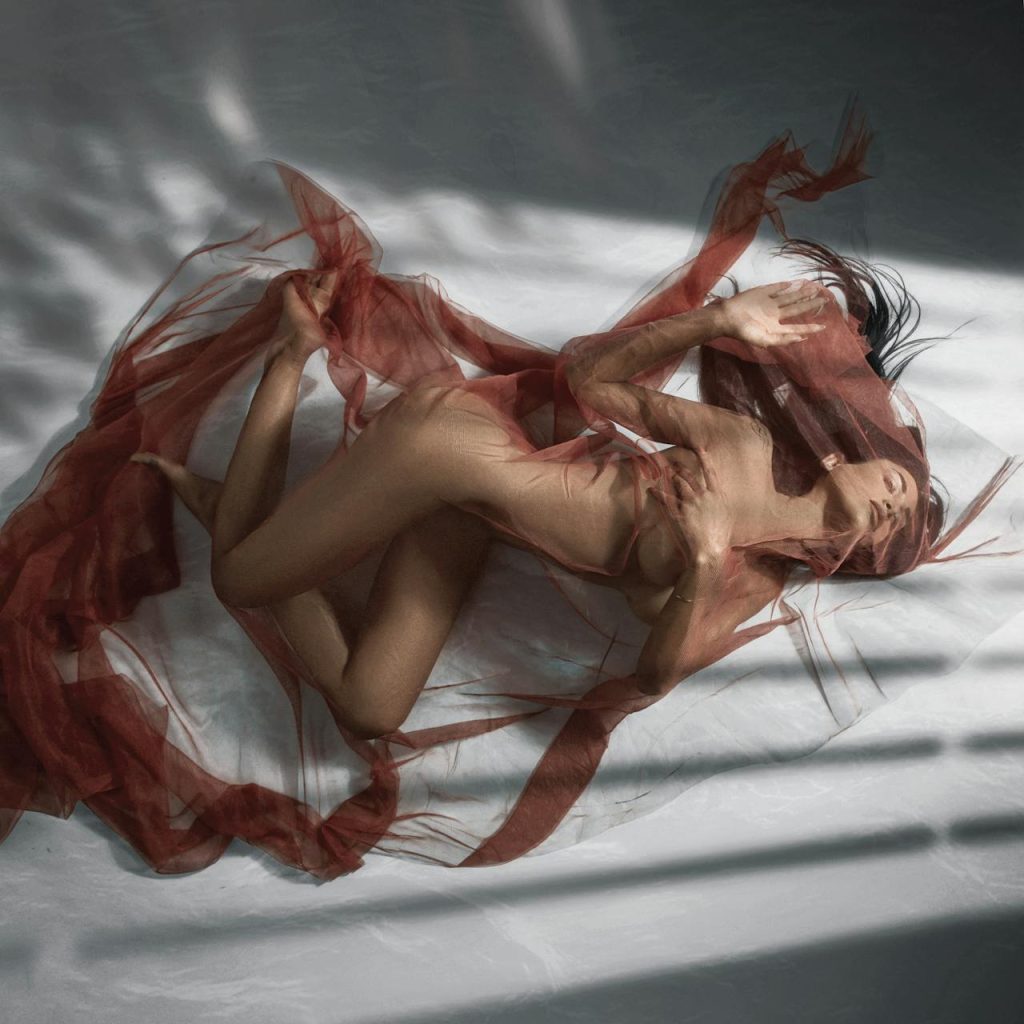
A minimalist nude photograph usually begins with a simple setting. Plain walls, smooth fabrics, textured concrete, soft curtains, or uncluttered studio spaces all work well. The goal is to keep the environment quiet so the subject remains visually dominant.
Too many objects in the frame can weaken the image. Furniture, decorations, and bold patterns can steal attention away from the body and break the mood. A minimalist setup keeps the scene focused and intentional.
Even in a home or natural location, simplicity still matters. A single chair, a window, or a sheet of fabric may be enough to create atmosphere without crowding the image. The fewer distractions in the space, the stronger the photograph usually becomes.
Lighting as a Minimalist Tool
Light is the real architecture of minimalist nude photography. Without elaborate props or backgrounds, lighting shapes the entire image. Soft side light, window light, and gentle shadow transitions are especially effective because they create form without harshness.
Minimalism often benefits from subtle contrast. A strong shadow across part of the body can create depth while still leaving the composition clean. Backlight can produce a delicate silhouette, while soft directional light can reveal the natural curves of the form.
The photographer should think of light as a way to draw, not just illuminate. In a minimalist image, light becomes a line, a contour, or a veil. That is what gives the photograph its sense of quiet beauty.
Posing with Simplicity
Minimalist posing is about clarity. The body should look relaxed, balanced, and natural rather than overworked or overly dramatic. Small adjustments in the shoulder, hips, arms, or neck can create a much stronger shape than complicated posing ever could.
Clean lines often matter more than intricate movement. A seated pose, a gentle lean, or a subtle turn of the torso can create elegance without visual clutter. The simplest poses often feel the most confident because they let the body speak for itself.
Hands and feet should be placed carefully. Because minimalist compositions give the viewer more space to observe small details, awkward hand placement or tense limbs become more noticeable. Every part of the pose should feel intentional and calm.
Texture Over Decoration
In minimalist nude photography, texture can replace decoration. A soft sheet, a matte wall, a linen curtain, or a shadowed surface can add depth without adding clutter. Texture gives the image visual interest while keeping the composition restrained.
Skin texture also becomes more important in this style. Because the frame is so simple, the viewer notices the natural surface of the body more clearly. This creates a more honest and grounded image when handled respectfully and tastefully.
The photographer can use texture to create contrast. A smooth body against a rough wall, or a soft figure against a crisp sheet, creates visual tension that feels elegant. This contrast helps the image stay minimal without becoming flat.
Mood Through Restraint
Minimalism often creates a mood of calm, introspection, or quiet confidence. Because there are fewer visual elements, the emotional tone of the image becomes easier to feel. A simple pose in soft light can suggest strength, vulnerability, or stillness without dramatic effects.
This restrained mood is one reason minimalist nude photography feels so powerful. The image does not need to shout to make an impression. Instead, it invites the viewer to slow down and notice subtle details.
That emotional space is important. Minimalist images often feel more intimate because they are less about spectacle and more about presence. The result is a photograph that feels thoughtful rather than decorative.
Styling That Supports Minimalism
Minimalist nude photography does not always mean completely bare and empty. A simple robe, a piece of fabric, or a carefully placed sheet can support the composition while preserving the clean look. These elements should feel integrated, not added for effect.
When styling is used, it should stay neutral. Soft whites, muted earth tones, blacks, and grays often work well because they do not compete with the body. Bold colors can still work, but they should be used deliberately and sparingly.
Hair and makeup should also stay understated. The more the styling blends into the overall concept, the more the viewer focuses on the body, light, and emotion. Minimalism thrives on balance and restraint.
Editing for a Minimal Look
Post-processing should reinforce the simplicity of the image. Clean tones, gentle contrast, and subtle retouching usually work better than heavy effects. The goal is to keep the photograph polished while preserving its natural feeling.
Black-and-white editing is especially effective in minimalist nude photography. Removing color can heighten attention to shape, shadow, and expression. It also gives the image a classic and timeless quality.
Color images can work beautifully too, especially if the palette is limited and calm. Soft neutrals, pale tones, or moody shadows can all support the minimalist style. Editing should always enhance the quiet mood rather than overpower it.
Why Minimalism Feels Timeless
Trends often come and go, but simplicity lasts. Minimalist nude photography remains relevant because it emphasizes the essentials of the medium: light, form, and emotion. Those elements do not go out of style.
This is why many strong nude portraits feel just as powerful years later as they did on the day they were created. They are not tied to a temporary visual trend. Instead, they rely on classic principles of composition and feeling.
For photographers building a long-term body of work, minimalism can be a smart creative direction. It allows the artist to develop a recognizable style while keeping the images refined and enduring.