
Introduction
Hidden costs of being a professional photographer are easy to overlook from the outside, because people often only see the shoot itself. They see the camera, the final images, and maybe the editing process, but not the many expenses that happen behind the scenes. Those invisible costs can have a major impact on profitability, pricing, and long-term sustainability.
Many new photographers assume that income is simply the session fee multiplied by the number of bookings. In reality, a large part of that money gets absorbed by gear, software, taxes, insurance, marketing, storage, travel, and unpaid time. Understanding these hidden costs is essential if you want to run photography as a real business instead of treating it like a hobby.
Gear Costs Add Up Fast
Camera bodies and lenses are only the beginning. Professional photographers also need memory cards, batteries, chargers, flashes, light stands, triggers, filters, camera bags, and backup equipment. Even smaller items add up over time and need to be replaced regularly as they wear out or become outdated.
The biggest gear mistake is assuming a camera purchase is a one-time expense. In reality, equipment needs maintenance, upgrades, repairs, and replacements. If your camera or lens fails during a paid job, the cost is not just the repair itself—it can also mean reshooting, lost time, or even a damaged client relationship.
Software and Subscriptions
Editing software is one of the most common recurring expenses. Programs for culling, color correction, retouching, delivery galleries, client management, and cloud backup often run on monthly or yearly subscriptions. That means your business keeps paying even when you are not actively shooting.
Many photographers also pay for website hosting, portfolio platforms, CRM systems, and file delivery services. These tools save time and improve professionalism, but they are still part of your overhead. If you do not account for them in your pricing, they quietly reduce your take-home income.
Taxes and Accounting
Taxes are one of the most underestimated hidden costs of being a professional photographer. Self-employment usually means you are responsible for setting aside money for income tax and possibly sales tax, depending on where you work. If you do not plan ahead, tax season can become a major financial shock.
Accounting services, bookkeeping software, and tax preparation also cost money. Even if you do your own books, there is still a time cost attached to tracking invoices, expenses, deductions, and receipts. These are business tasks that clients never see, but they directly affect your bottom line.
Insurance and Liability
Professional photographers often need multiple forms of insurance. Gear insurance protects equipment from theft, damage, or loss, while liability insurance helps protect the business if something goes wrong during a shoot. These policies are not optional luxuries for many working professionals—they are part of staying protected.
Insurance becomes even more important when you work on location, in public spaces, or in rented studios. One unexpected accident can cost far more than several months of premiums. That is why insurance should be built into the cost of doing business from the start.
Studio and Workspace Expenses
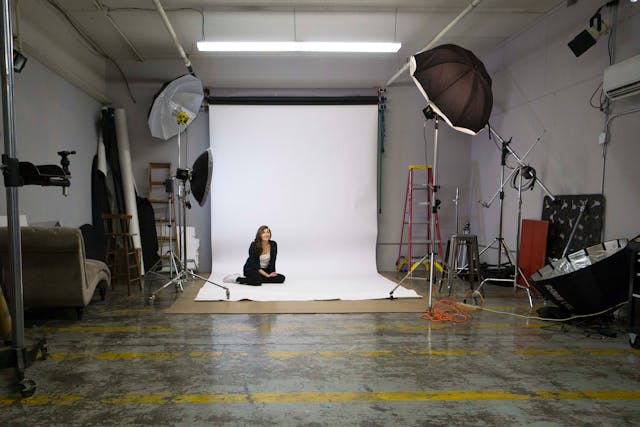
If you rent a studio, the monthly cost can be significant. Rent, utilities, cleaning supplies, furniture, backdrop systems, and lighting support all become part of the overhead. Even home-based photographers usually need dedicated space, storage, and utility costs to keep the business running smoothly.
A studio also tends to grow in cost over time. You may start with a simple room and a light setup, but as your work expands, so does the need for more backdrops, props, seating, and organization systems. The studio may look like a creative space to clients, but behind the scenes it functions like a small business facility.
Marketing and Client Acquisition
Finding clients is not free. Professional photographers often spend money on advertising, social media promotion, SEO, business cards, sample products, email software, and branding materials. Even referrals usually require some level of ongoing visibility and reputation building.
The hidden part of marketing is time. Writing blog posts, posting on social media, replying to inquiries, updating portfolios, and managing leads all take hours that are not billed directly to a client. If you do not track this work, it can look like you are earning more than you actually are.
Travel and Location Costs
Travel is another expense that clients often do not see. Gas, parking, tolls, public transit, flights, hotels, meals, and travel time can all be part of a single shoot. For destination or event photographers, these costs may become a major part of the total project budget.
Even local sessions can carry hidden travel costs if you are driving between multiple locations or carrying heavy equipment. The more gear you bring, the more logistical work is involved. That is why location-based jobs should always be priced with travel in mind, not just shooting time.
Unpaid Time Behind the Camera
One of the biggest hidden costs is time that does not appear on the invoice. A one-hour session may actually require hours of preparation, communication, gear packing, travel, shooting, editing, file delivery, and follow-up. The visible session is only a small part of the total workload.
There is also time spent learning, testing, and improving. Photographers constantly invest in practice, workshops, online education, and skill development to stay competitive. That learning time is essential, but it is still a cost that affects the real value of your business.
Backups and Storage
Digital photography creates a storage problem that many people do not think about. High-resolution files require hard drives, SSDs, cloud storage, and backup systems to keep them safe. If a file is lost, damaged, or corrupted, the cost can be far greater than the original storage expense.
Backup systems also need to be maintained and replaced. Hard drives fail, cloud services renew, and file organization takes time. A reliable backup workflow is part of the hidden cost of protecting your work and your clients’ memories.
Why Pricing Must Reflect Reality
If photographers ignore hidden costs, they often underprice their services. That can lead to burnout, poor margins, and business instability. A professional rate should not only cover the shoot itself, but also all the behind-the-scenes expenses that make the business possible.
Good pricing is not about charging as much as possible. It is about making sure every part of the workflow is funded properly so the business can survive and grow. When photographers understand their real costs, they can price with confidence instead of guessing.
Final Thoughts
The hidden costs of being a professional photographer are what turn a creative job into a real business. Gear, software, taxes, insurance, studio space, travel, marketing, storage, and unpaid admin work all reduce the money that stays in your pocket. Once you understand those costs, you can build better pricing, avoid burnout, and run your business more sustainably.
If you are serious about photography as a profession, the smartest thing you can do is track every expense and every unpaid hour. That clarity will help you make better decisions, communicate value more clearly to clients, and build a photography business that lasts.